Full Database
Case Archive
Chronological index of investigations. Page 1 of 2
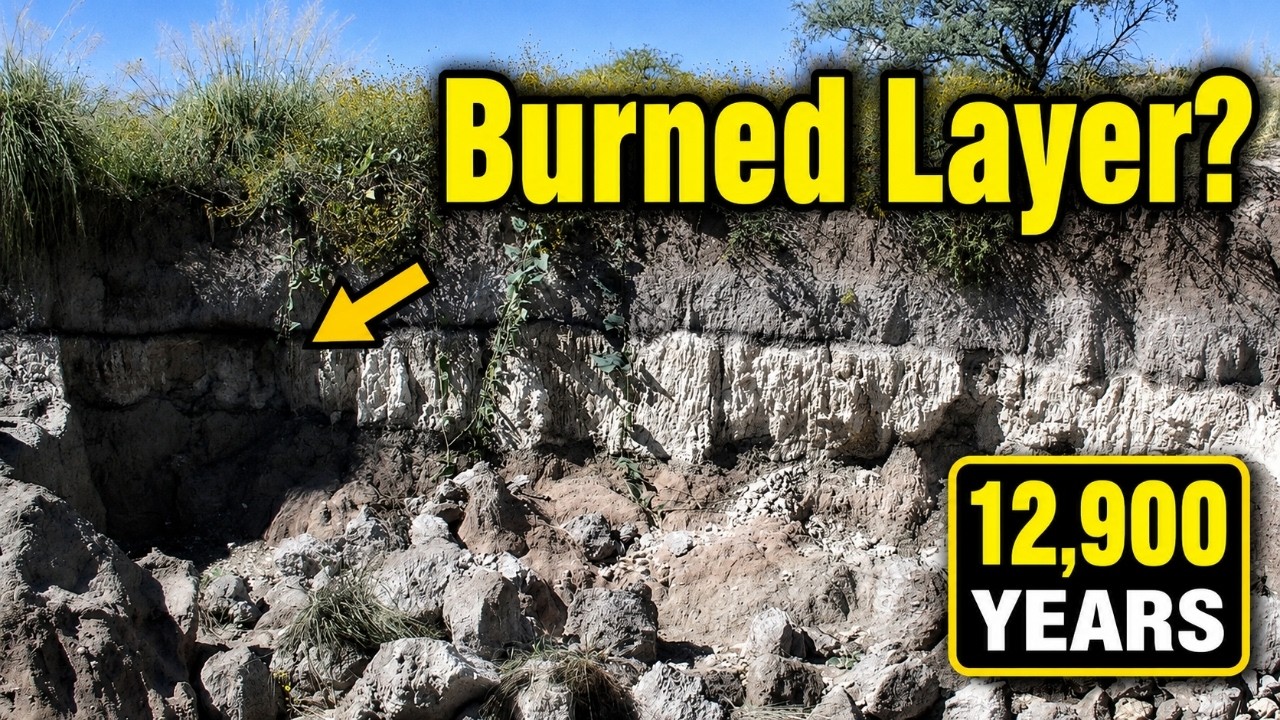
What Created the 12,900-Year-Old Black Layer?
At Murray Springs in southeastern Arizona, a dark organic-rich layer formed above a Clovis-age landscape near the beginning of the Younger Dryas. A forensic look at why black mats are best explained as wetland and high-water-table deposits, and why the separate claim that microscopic boundary markers prove a cosmic impact remains heavily disputed.
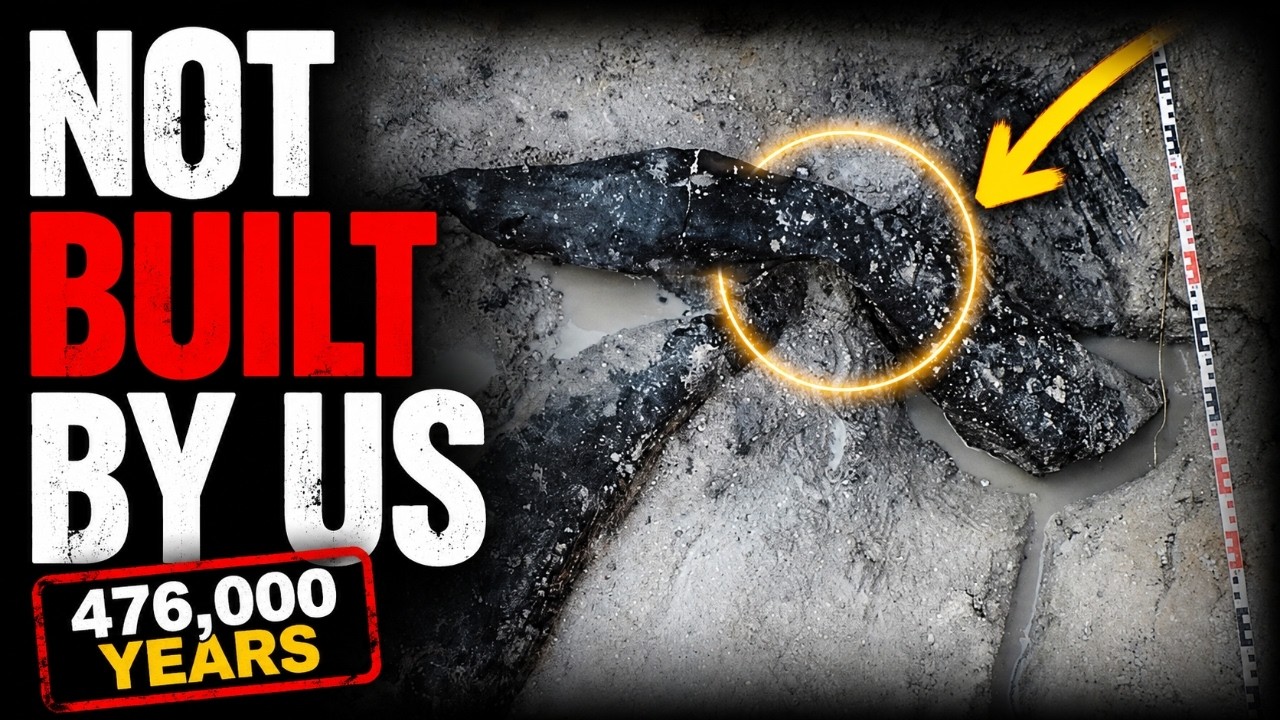
476,000-Year-Old Wood Structure Before Modern Humans
At Kalambo Falls in Zambia, waterlogged sediments preserved two large logs deliberately shaped to interlock across a cut notch at least 476,000 years ago. A forensic look at the earliest known structural use of wood, how luminescence dating established its age, and why the evidence reveals sophisticated woodworking long before Homo sapiens.
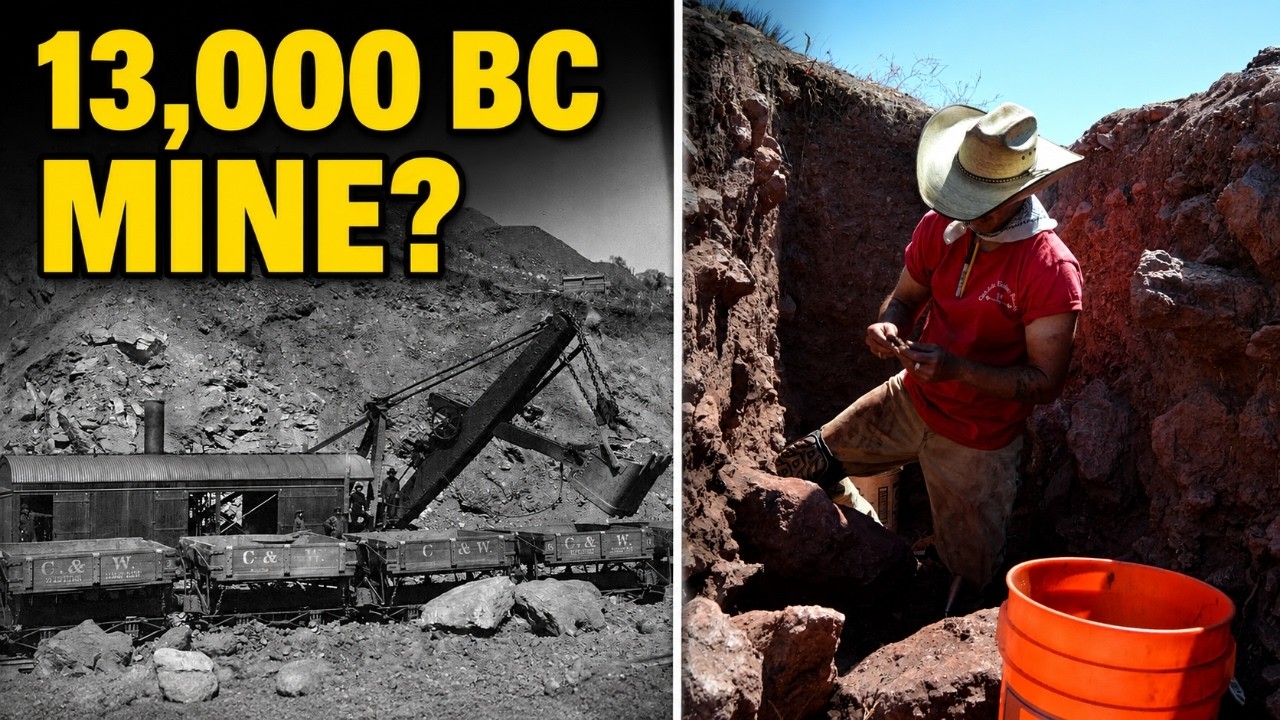
The 16,000-Year-Old Mine Hidden Under a Wyoming Ghost Town
At the Powars II site beside the Wyoming ghost town of Sunrise, archaeologists documented a Paleoindian hematite quarry securely used nearly 13,000 years ago. A forensic look at the mine’s Clovis and Plainview deposits, why people repeatedly returned for red ocher, and why the episode’s older 16,000-year claim remains less firmly established.

80-Ton Stones From the Lighthouse of Alexandria
At the submerged Pharos site in Alexandria, archaeologists raised 22 massive architectural blocks for study and scanning, including monumental doorway pieces weighing roughly 70–80 tons. A forensic look at how physical stones, underwater archaeology, ancient descriptions, and photogrammetry are being combined to digitally reconstruct the Lighthouse of Alexandria.
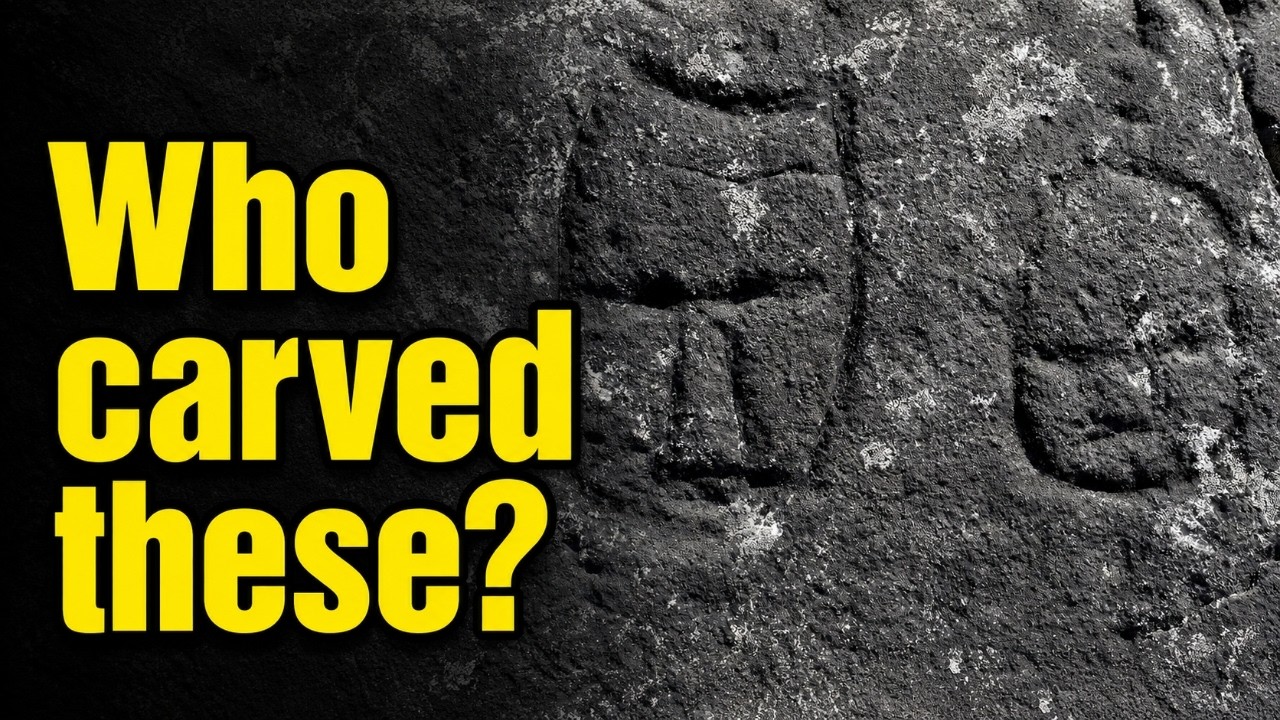
Nearly 180 Ancient Faces Found on Arctic Stone
At Qajartalik on Qikertaaluk Island, nearly 180 stylized faces were carved into soapstone at an Arctic quarry. A forensic look at why researchers connect the images to the Dorset/Tuniit cultural tradition, what the site may reveal about ritual expression, and why the carvings remain difficult to date directly.
5700 BC Burial Mound Built for One Child in Labrador
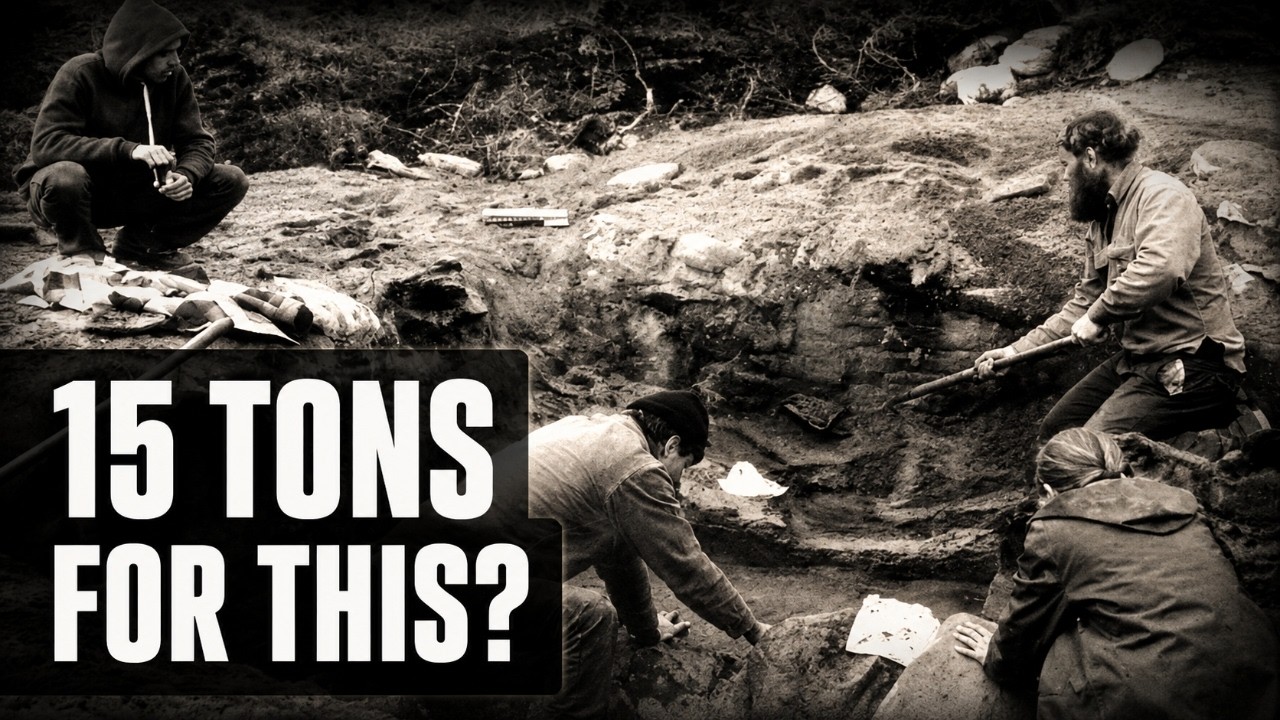
At L’Anse Amour in southern Labrador, archaeologists documented a carefully built Maritime Archaic burial mound dating to about 5700 BC. A forensic look at why a mound of beach stones, red ochre, ritual fire traces, and rare grave goods show that this was not a simple burial, but one of North America’s earliest known funerary monuments.
15,500-Year-Old Stone Points Found Below Clovis
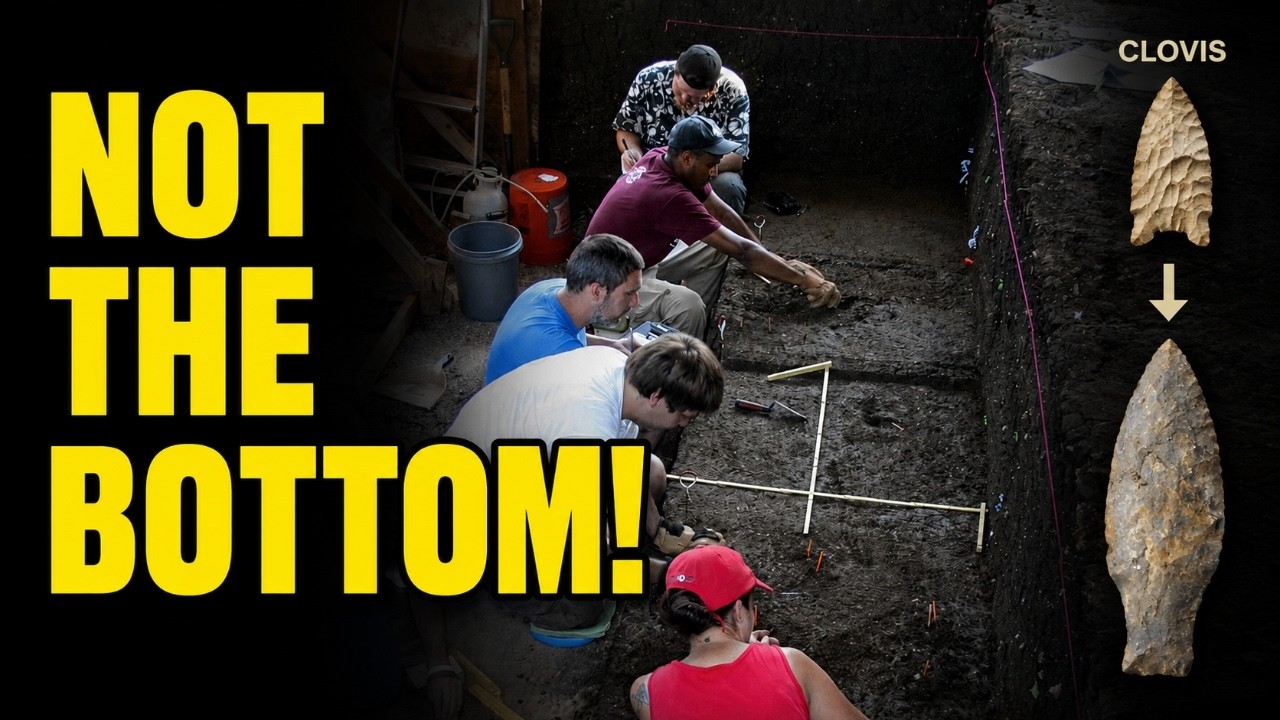
At the Debra L. Friedkin site in central Texas, archaeologists found stemmed stone points and other tools in a cultural horizon beneath Clovis material. A forensic look at why artifacts dated to about 13,500 to 15,500 years ago complicate the old Clovis-first timeline.
4,000 Year Old Water Pipes Found in Ancient Chinese Town
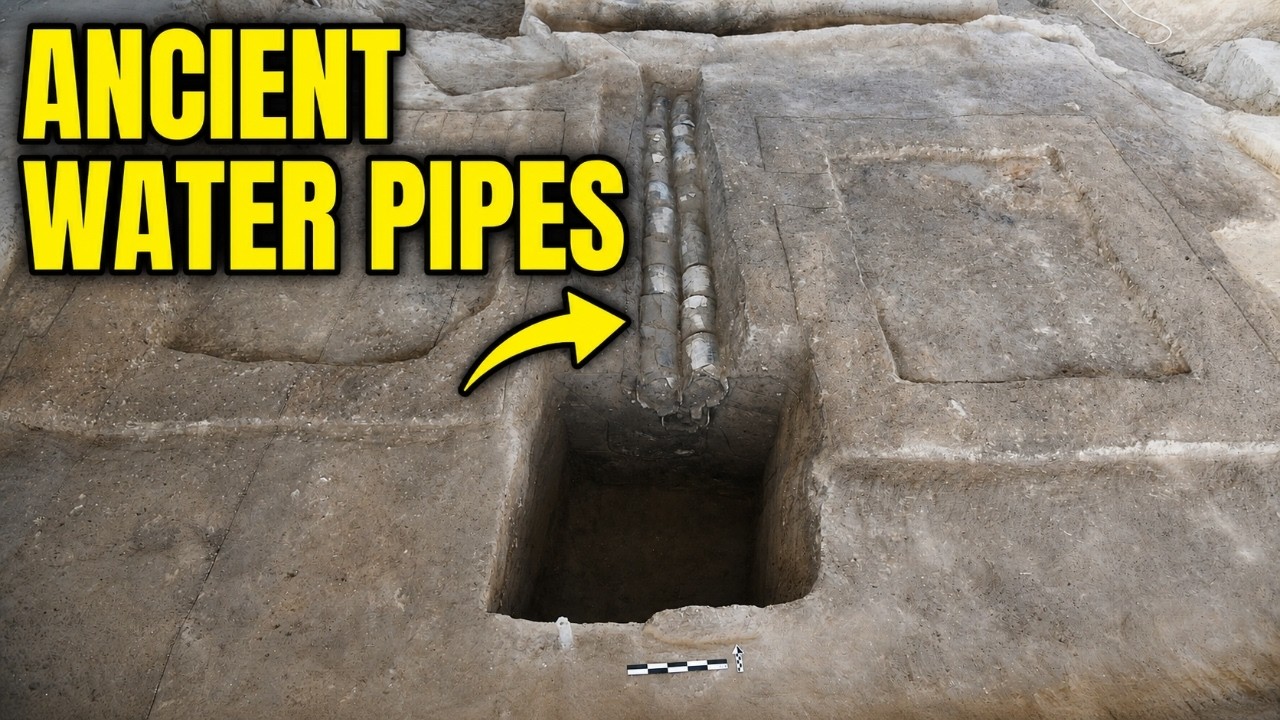
At Pingliangtai in central China, archaeologists documented a roughly 4,000-year-old ceramic drainage system built from interlocking pipe segments and ditches. A forensic look at what this early water infrastructure reveals about planning, stormwater management, and community coordination without clear evidence of centralized authority.
13,000-Year-Old Footprints Found Under a Beach
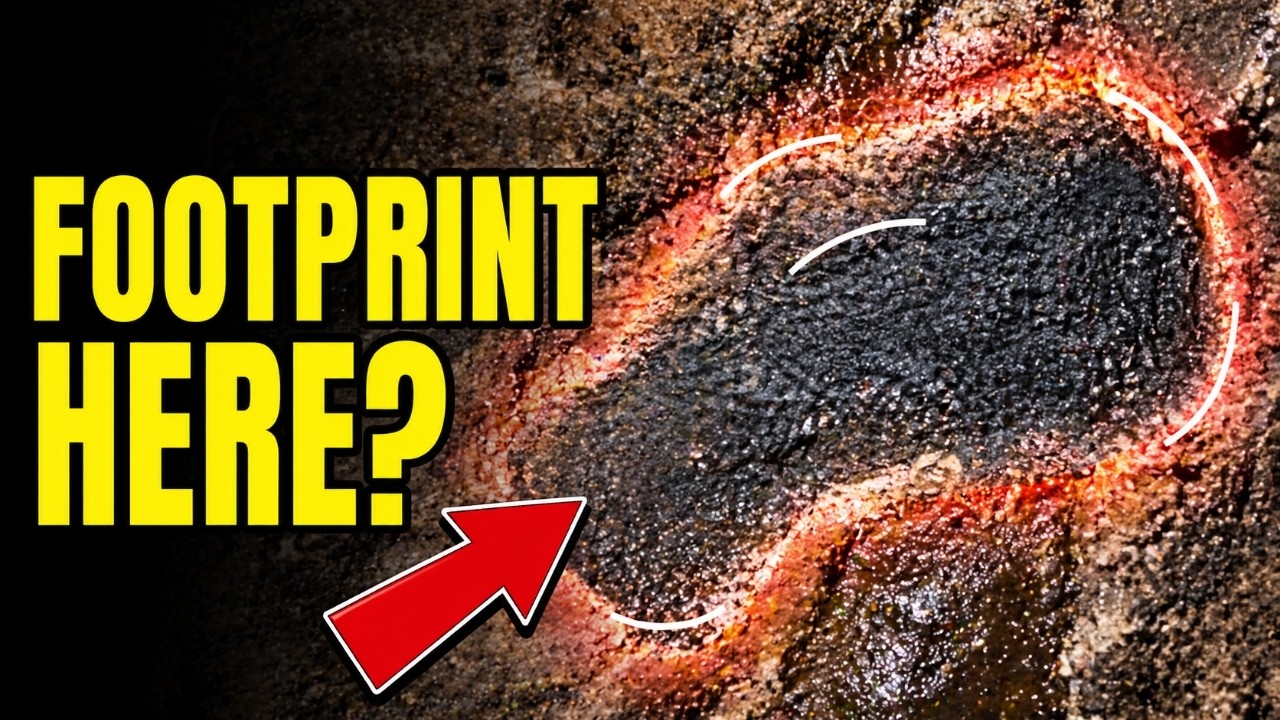
On Calvert Island, British Columbia, archaeologists found 29 human footprints preserved beneath active beach deposits in an intertidal setting. A forensic look at how tracks about 13,000 years old survived under beach sands, and what they reveal about early coastal movement near the end of the Ice Age.

2,000 Year Old Slab Shows a Roman Emperor as Pharaoh
At Karnak in Luxor, restoration work revealed a 2,000-year-old sandstone stela from the reign of Tiberius. The slab shows the Roman emperor represented in pharaonic form before Amun-Ra, Mut, and Khonsu, revealing how Roman authority could be translated into Egyptian temple language.
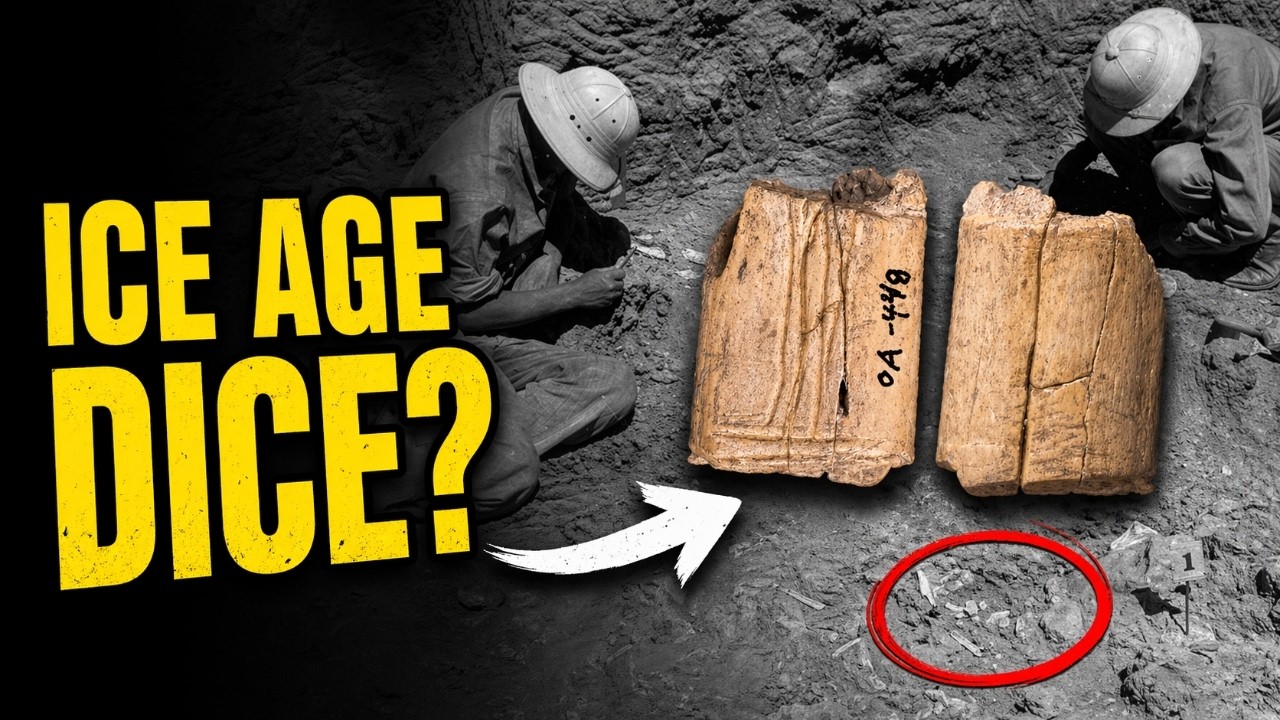
12,000-Year-Old Bone Dice Found in Wyoming — Nobody Noticed
Small marked bone artifacts from Folsom-period contexts in the western Great Plains may be among the earliest known dice in the world. A forensic look at how overlooked two-sided bone pieces from Wyoming and nearby sites could push the history of games of chance and probabilistic thinking back to about 10,900–10,300 BC.
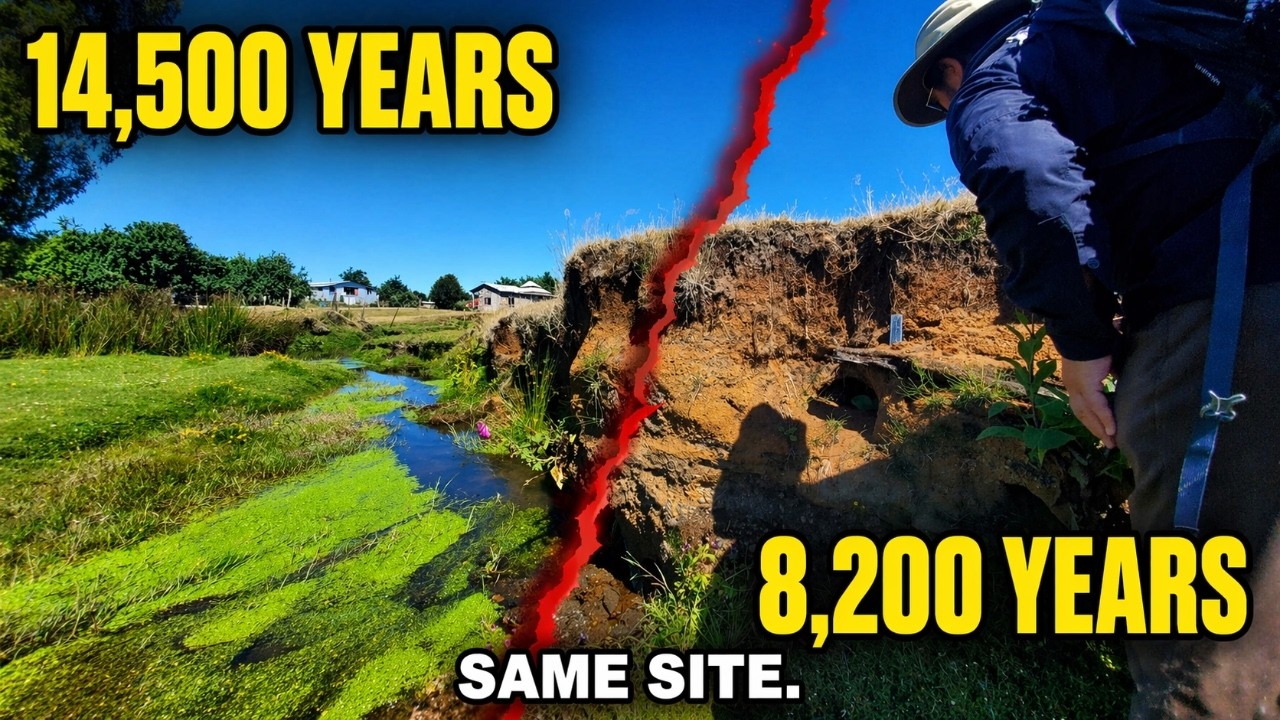
The 14,500 Year Old Site — Now Dated to 8,200 Years
For 30 years, Monte Verde was the gold standard for the earliest human settlement in the Americas. A forensic look at a new geological analysis that places an 11,000-year-old volcanic ash layer beneath the artifacts, suggesting the site might be thousands of years younger than we thought.

Why Spanish Coins Were Placed Around a Skull in Georgia
At a Native American burial site in Georgia, archaeologists found Spanish copper coins carefully placed around a human skull alongside high-status items. A forensic look at why these coins were used for ritual purposes rather than currency, and what it reveals about early cultural contact.
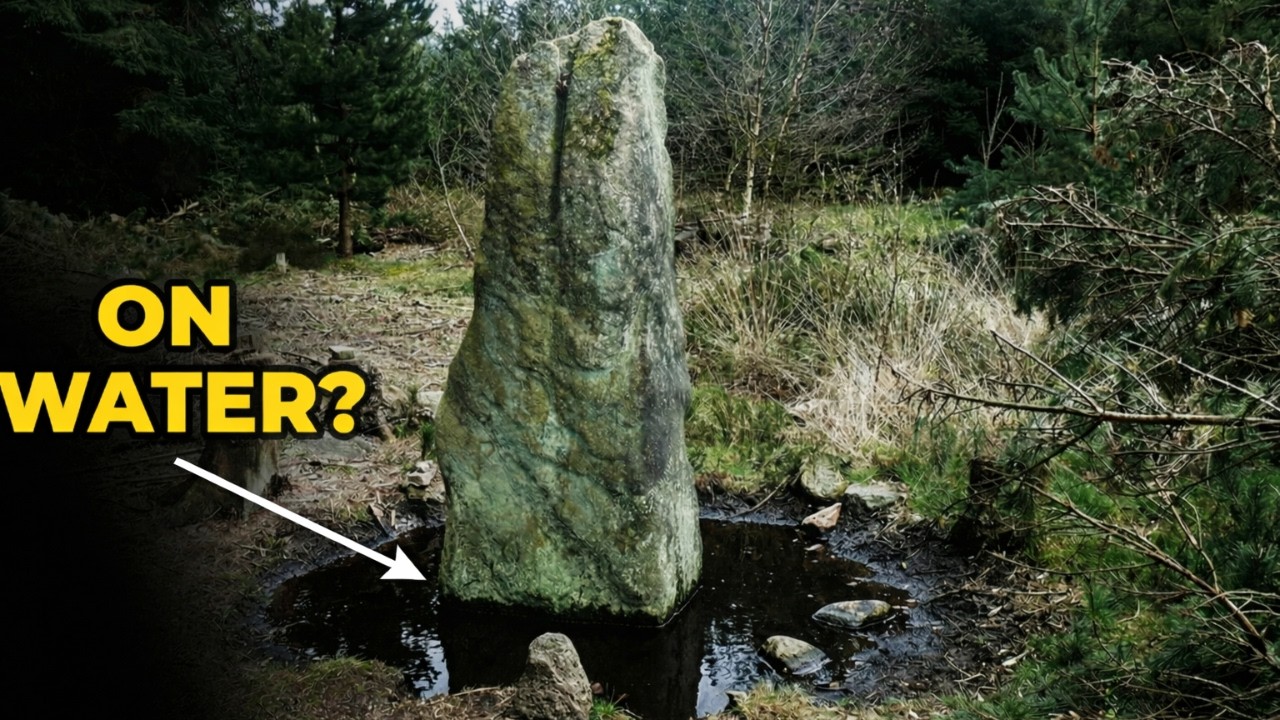
The 3,700-Year-Old Stone Built Over Water
For generations, a solitary 6.5-foot stone in a Derbyshire forest was dismissed as a simple waymarker. A forensic look reveals it is actually the center of a 3,700-year-old ceremonial complex, featuring an 82-foot stone ring and a monolith engineered to 'float' directly over an active subterranean spring.
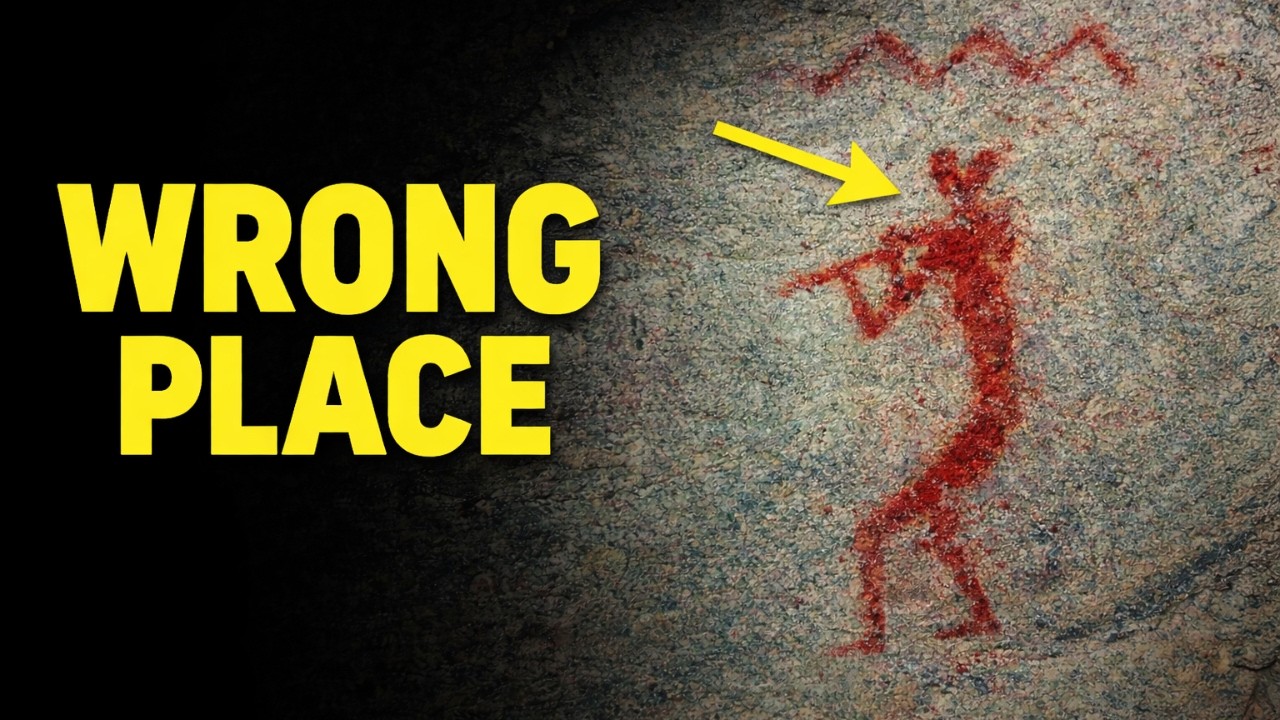
This Should NOT Be Here (1,200 MI Away)
A red ochre flute player figure was discovered in the Canadian Rockies, matching rock art styles typically found 1,200 miles south in the American Southwest. A forensic look at how mineral layers preserved the art and what it reveals about ancient continental connections.
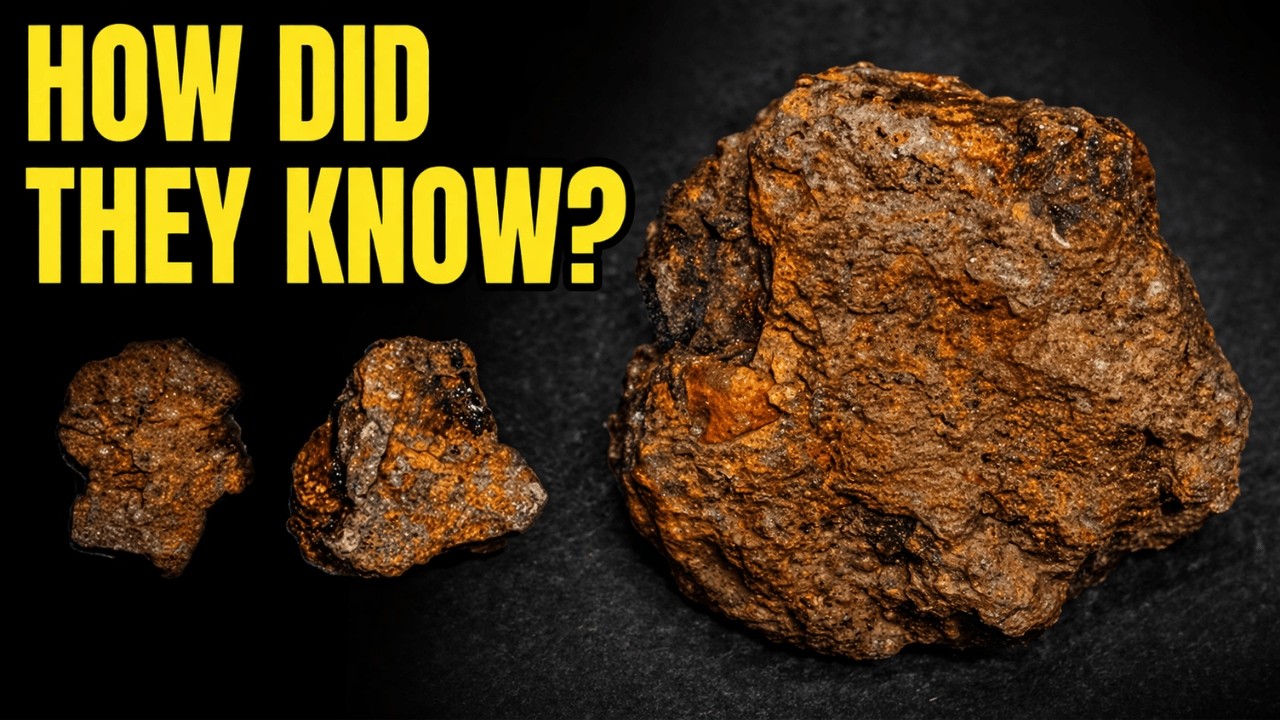
THEY KNEW WHAT THIS WAS… 3,000 YEARS AGO
A widely circulated claim suggests a 20-centimeter meteoritic iron artifact was discovered at the 3,000-year-old Sanxingdui site. A forensic look at the official excavation data reveals the truth about this alleged 'space iron' and uncovers the highly verified, geochemical evidence of extreme long-distance trade.
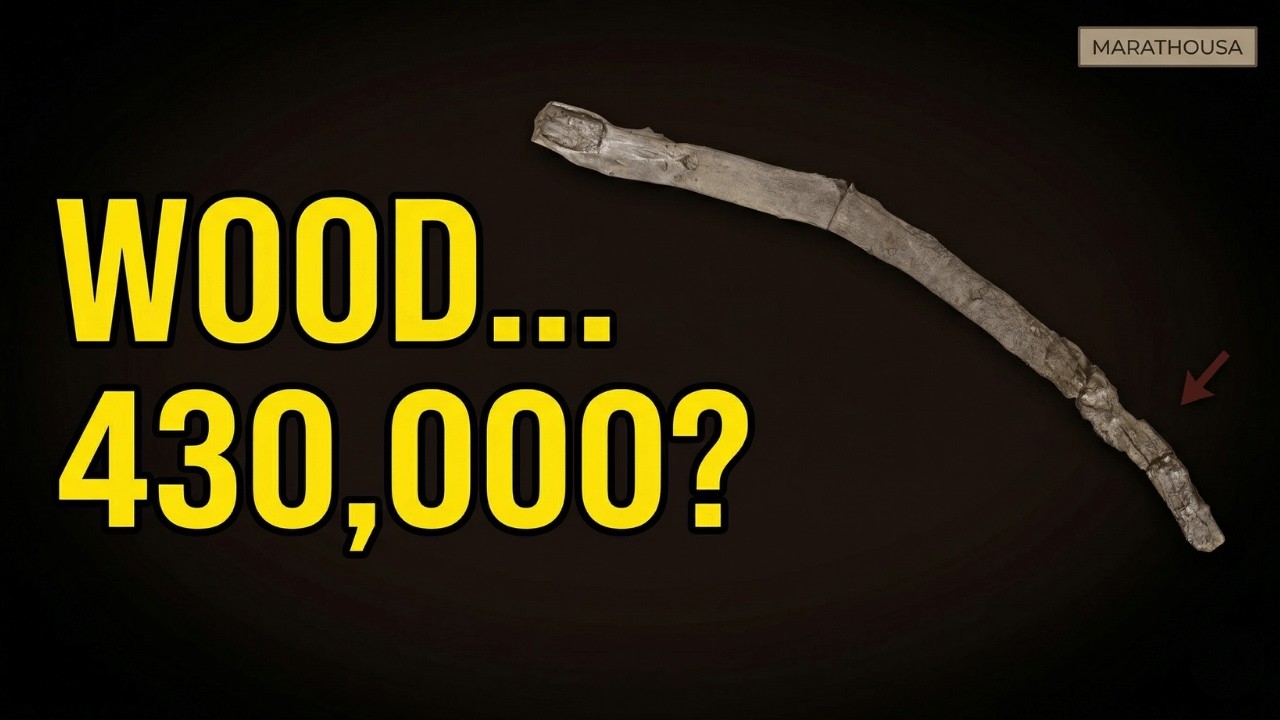
The 430,000-Year-Old Wooden Tool That Should Have Rotted
At Marathousa 1 in southern Greece, researchers recovered an 81-centimeter alder wood tool from waterlogged sediments dated to roughly 430,000 years ago. A forensic look at how this extremely rare artifact survived hundreds of millennia and what it reveals about the perishable technologies of the 'Stone Age.'

325 BC — A Greek in the Arctic?
Around 325 BC, a Greek navigator named Pytheas sailed past the edge of the known world, describing a frozen sea and a sun that never set. For centuries, ancient historians called him a fabricator—but modern science confirms the environmental anomalies he recorded.
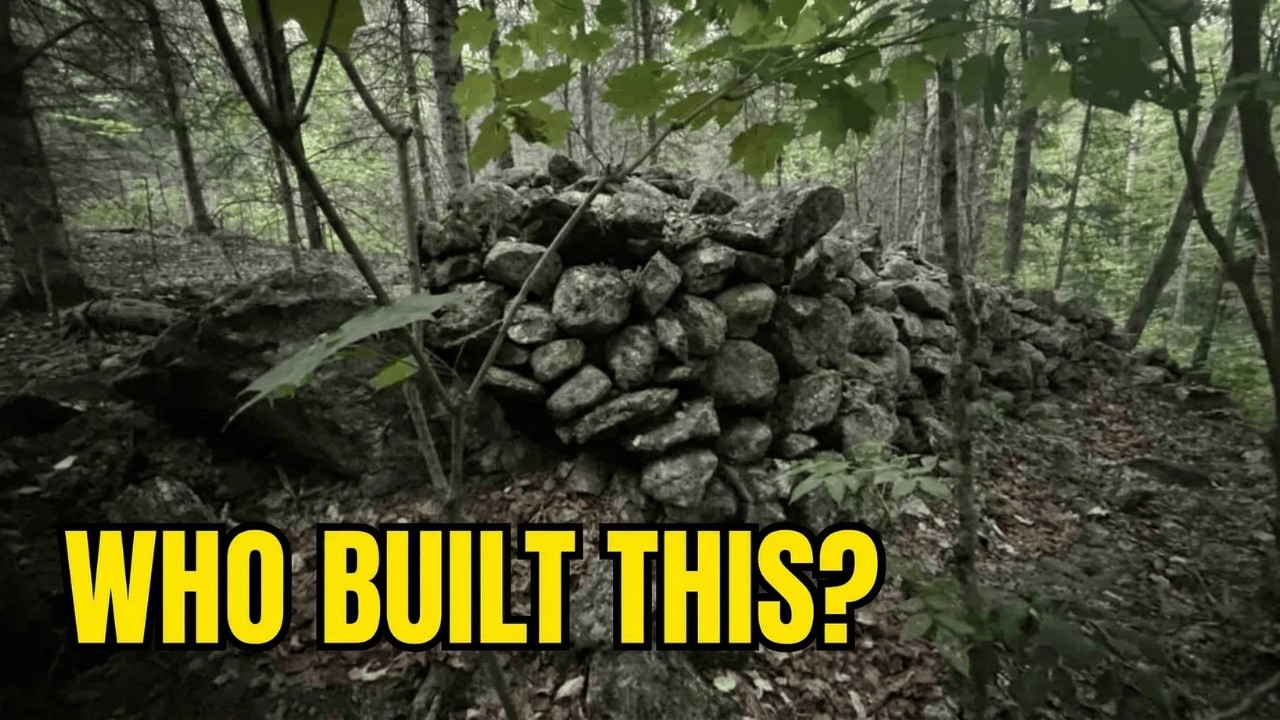
Nobody Can Explain These Quebec Stone Walls
Thousands of linear feet of stone walls snake through the forests of Lady Smith, Quebec. A forensic look at the competing claims—from 19th-century logging and glacial eskers to unrecognized ancient terraforming—and what it actually takes to date an unexcavated stone structure.
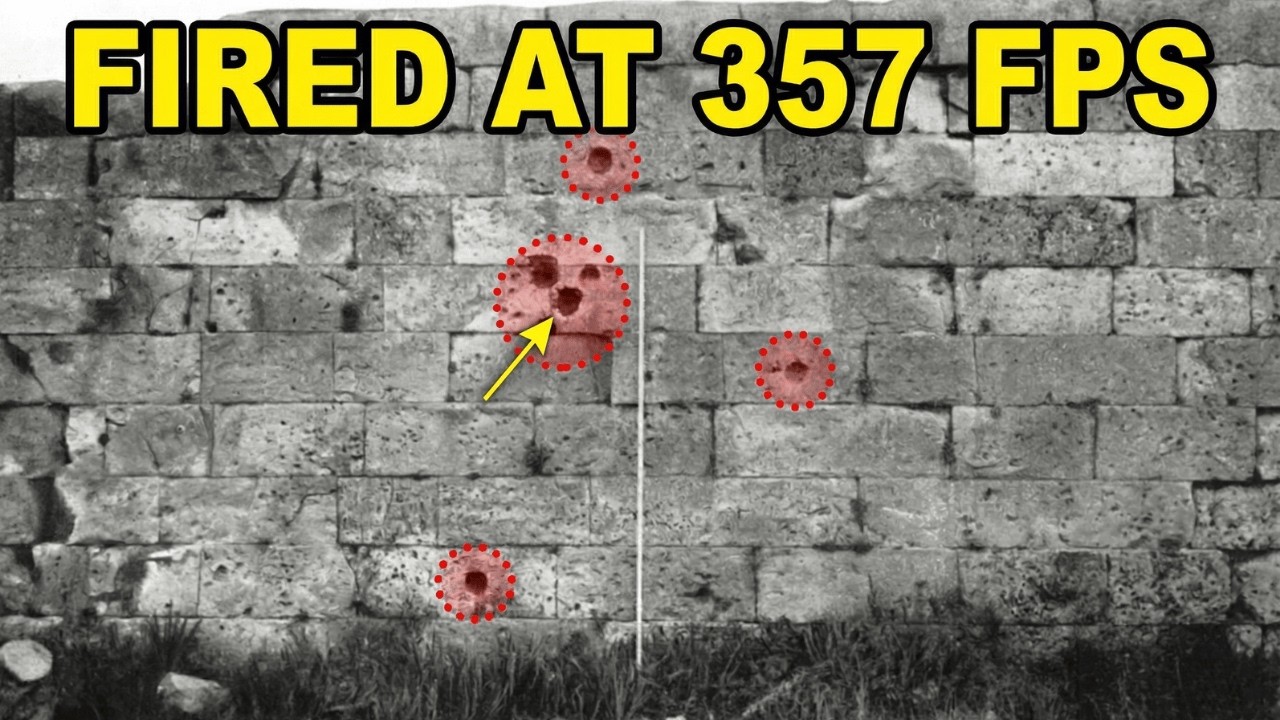
Pompeii's Walls Prove This Weapon Was Real
For centuries, an ancient Greek automated repeating crossbow known as the polybolos was considered a myth. A forensic look at a specific pattern of impact craters on the walls of Pompeii reveals the distinct mechanical footprint of this machine deployed in combat in 89 BC.
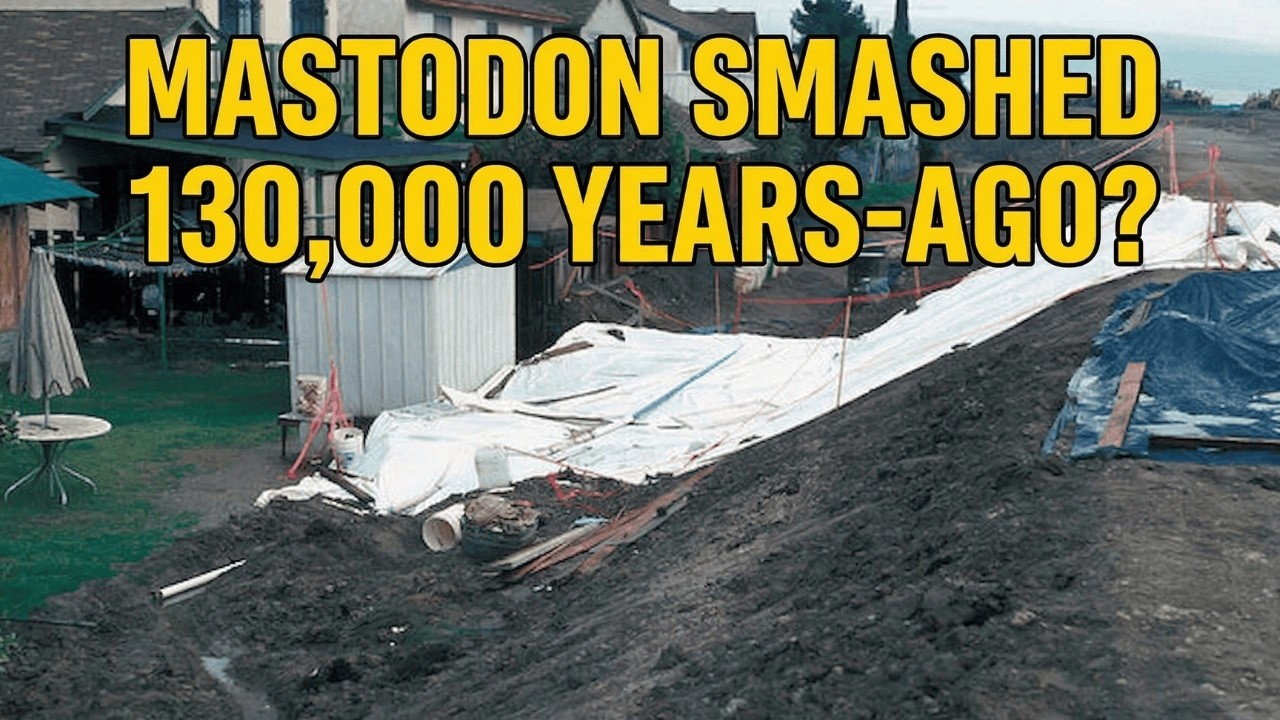
This Mastodon Site Is 130,000 Years Too Early
Discovered during highway construction in 1992, the Cerutti Mastodon site in San Diego features spirally fractured bones alongside battered cobbles. A forensic look at why the 130,700-year-old uranium-series date ignited one of the fiercest debates in North American archaeology.
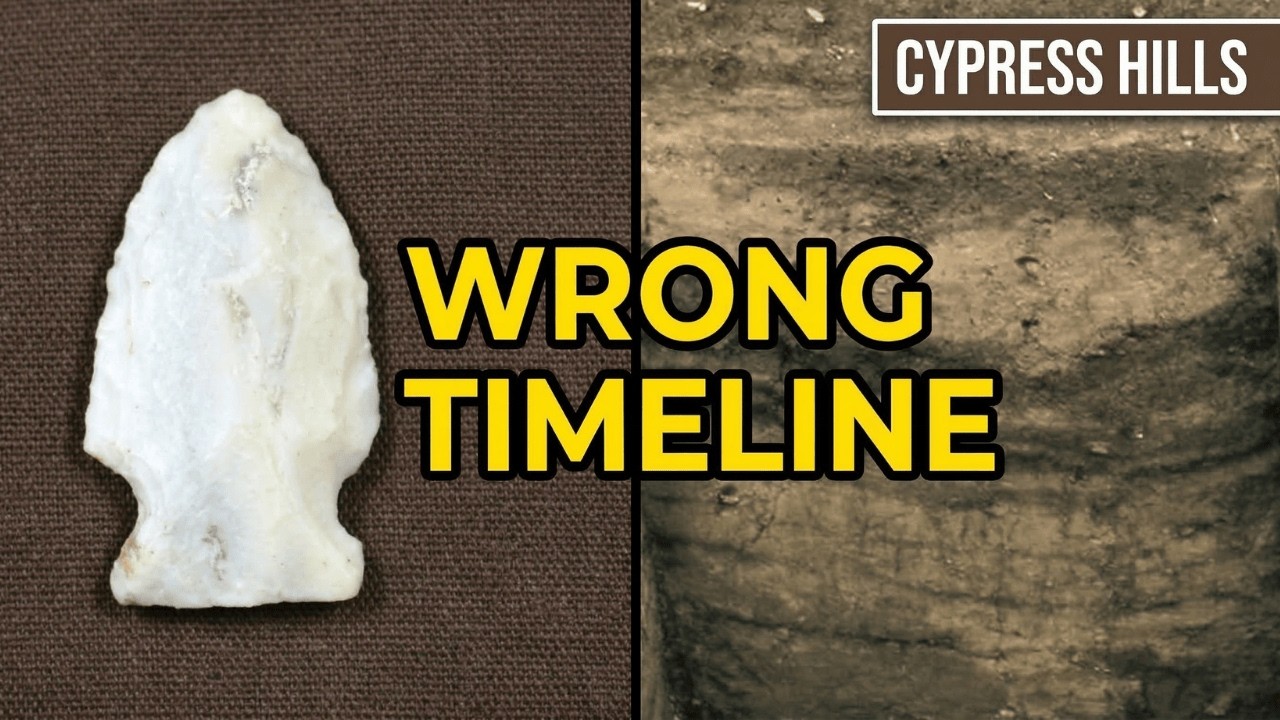
Alberta’s 6,000-Year-Old Weapon — 3,500 Years Early
Deep within the Cypress Hills—a plateau that escaped Ice Age glaciation—archaeologists found 32 occupation layers at the Stampede Site. A forensic look at a white chert projectile point dated to 6,000 years ago that matches Besant technology, sitting 3,500 years outside its established timeline.
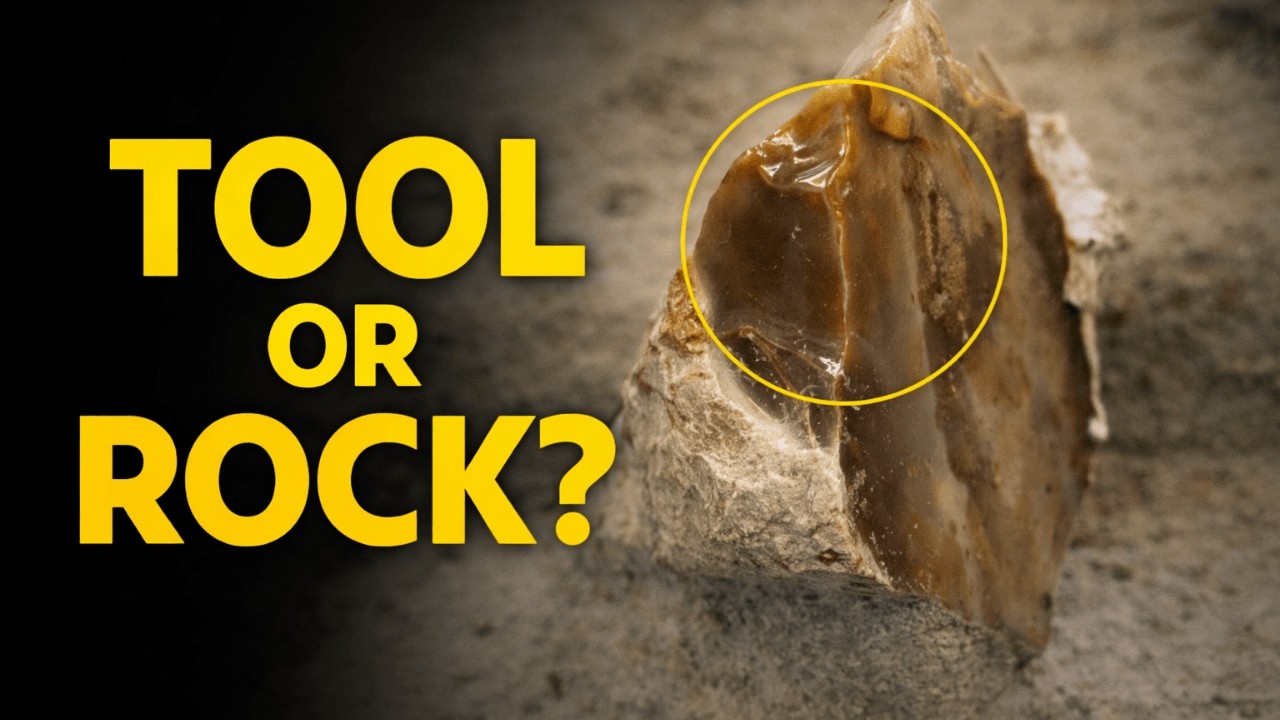
50,000-Year-Old Tools Found in Carolina — Before Clovis?
Beneath the accepted 13,000-year-old Clovis layer at the Topper site, archaeologists discovered chipped chert and carbonized remains dating back 50,000 years. This episode investigates the fierce debate over whether these deep artifacts are rudimentary human tools or naturally broken 'geofacts' created by geological pressure.
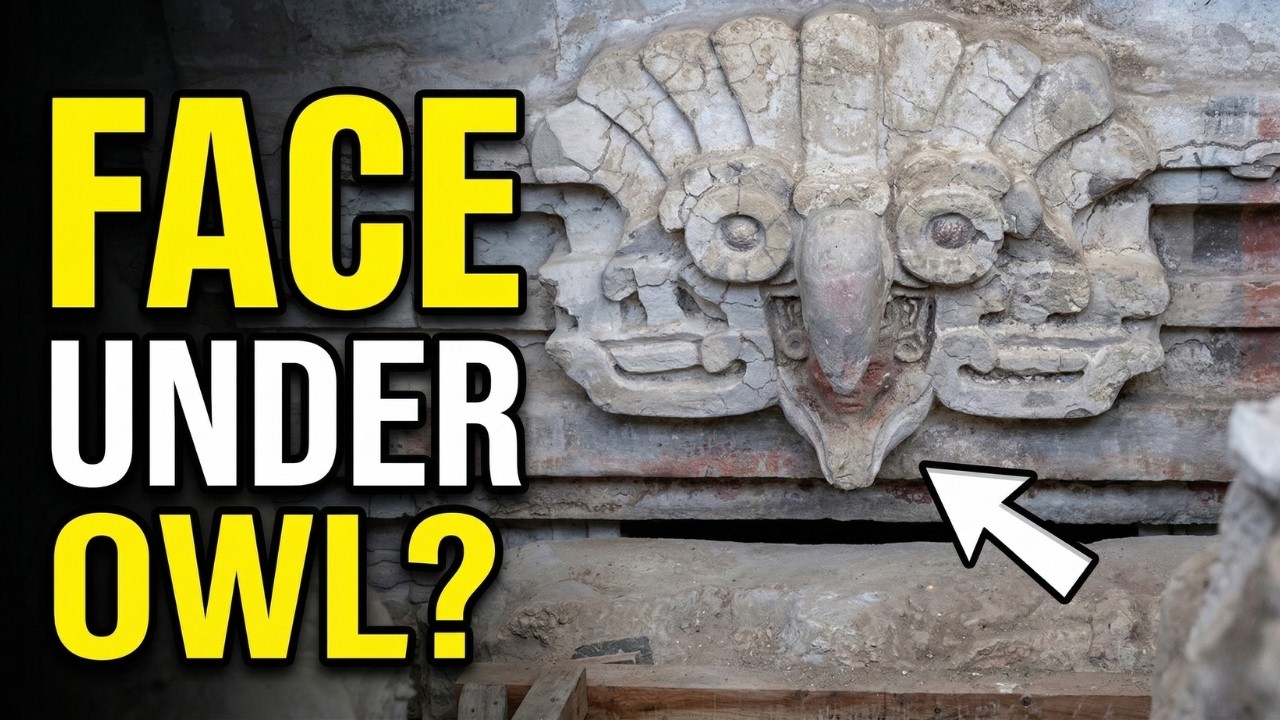
1,400-Year-Old Tomb Hid a Face Under an Owl
A forensic look at Tomb 10 in San Pablo Huitzo, Oaxaca. This 1,400-year-old Zapotec funerary complex features a carved owl, a hidden stucco face, and spectacular murals—but what does the evidence actually say versus the internet hype?

Why Bison Hunters Abandoned This Site 1,100 Years Ago
The Bergstrom bison kill site saw intermittent use for centuries, but archaeologically visible use ended around 1,100 years ago. A forensic look reveals that while the bison didn't disappear, severe droughts dried up the local water supply.
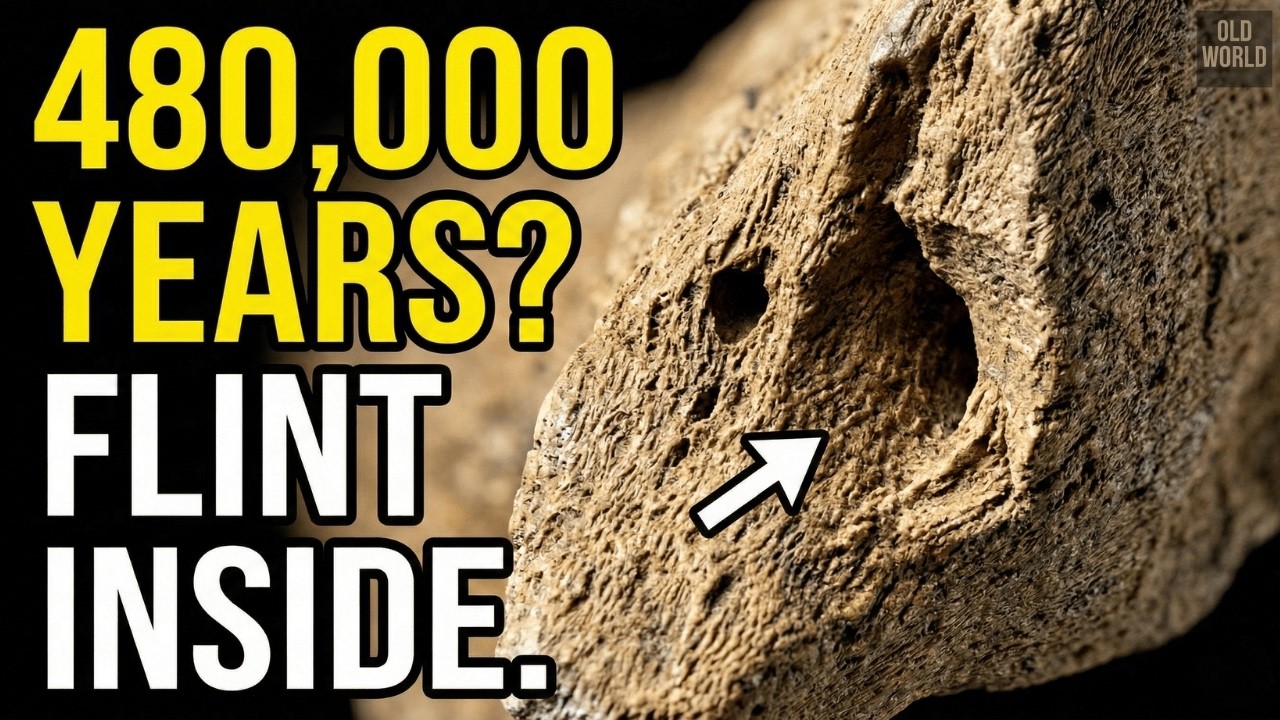
The 480,000-Year-Old Bone Hammer
A forensic look at an 11-centimeter proboscidean bone fragment from Boxgrove, England, revealing embedded flint and impact marks that prove it was used as a knapping tool 480,000 years ago.
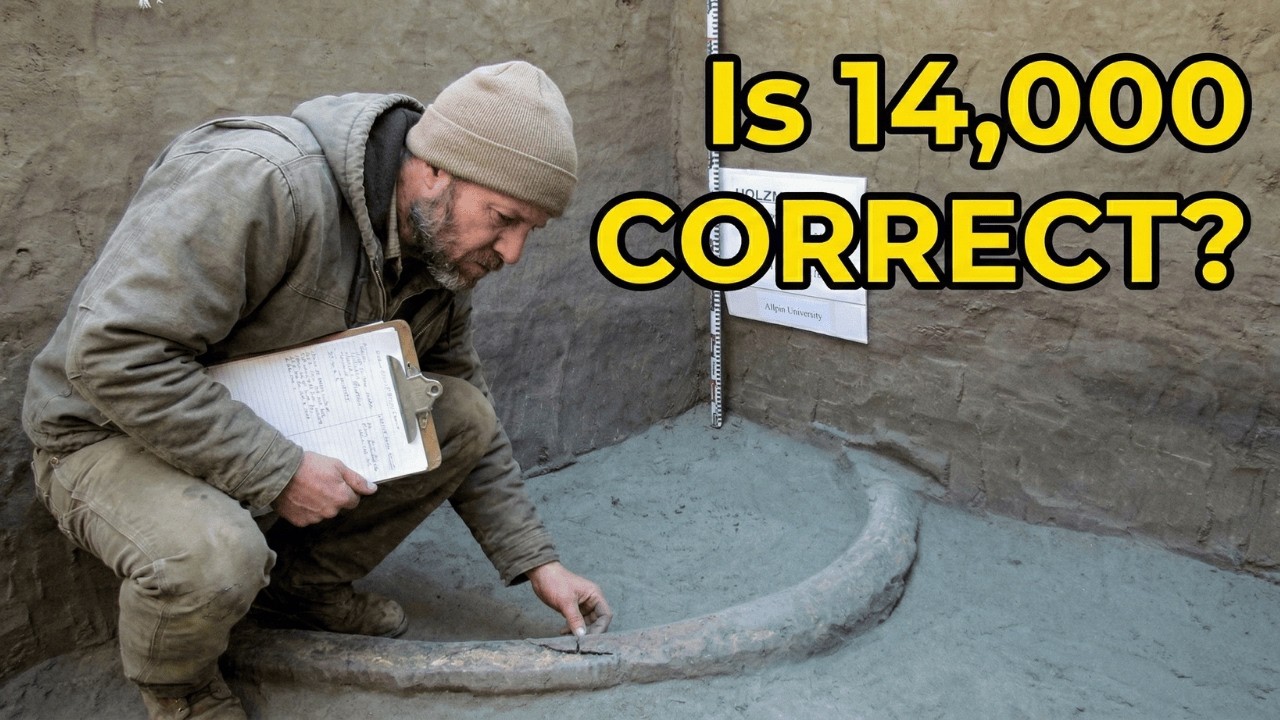
14,000 Years in Alaska: Whats Actually Dated
A forensic look at the Holzman site in Interior Alaska, separating the headlines of 'oldest tools' from the hard, directly dated evidence of mammoth tusks and ivory rods.
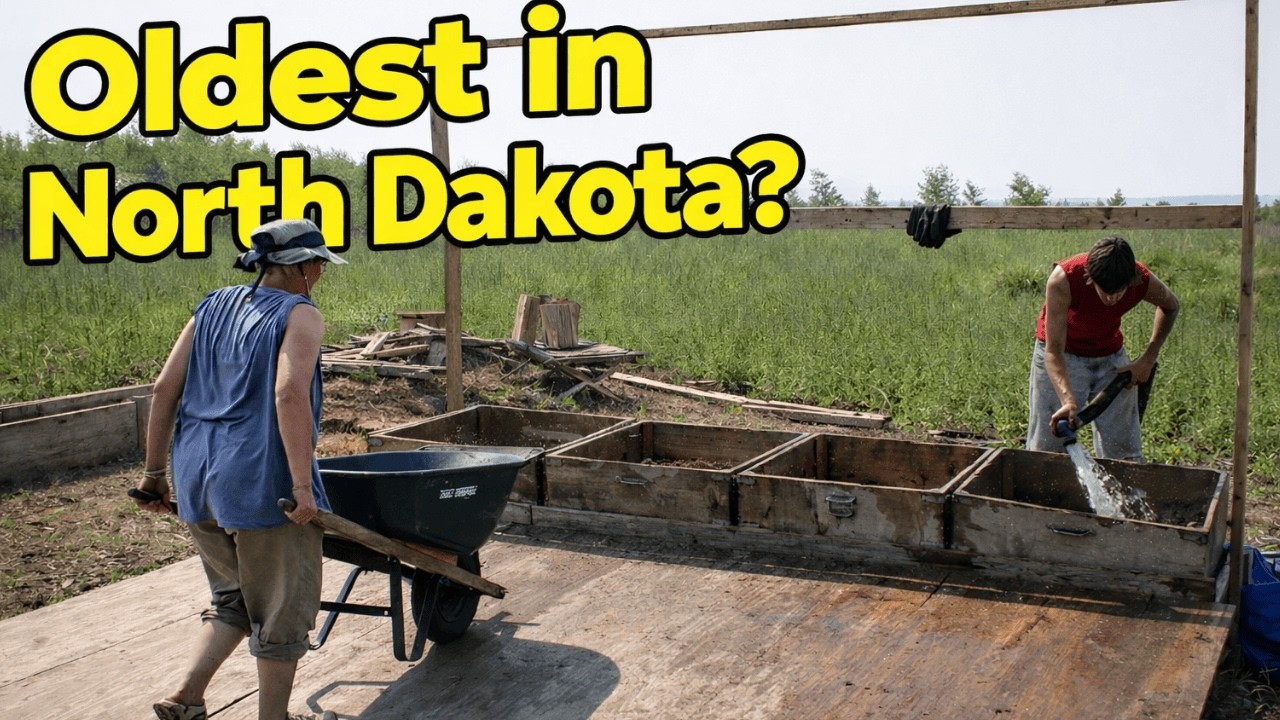
Why Does 11,600 BC Keep Showing Up in North Dakota?
An investigation into the Beach Cache and Beacon Island, separating commonly cited Clovis-era claims from fully verified radiocarbon dates in North Dakota.
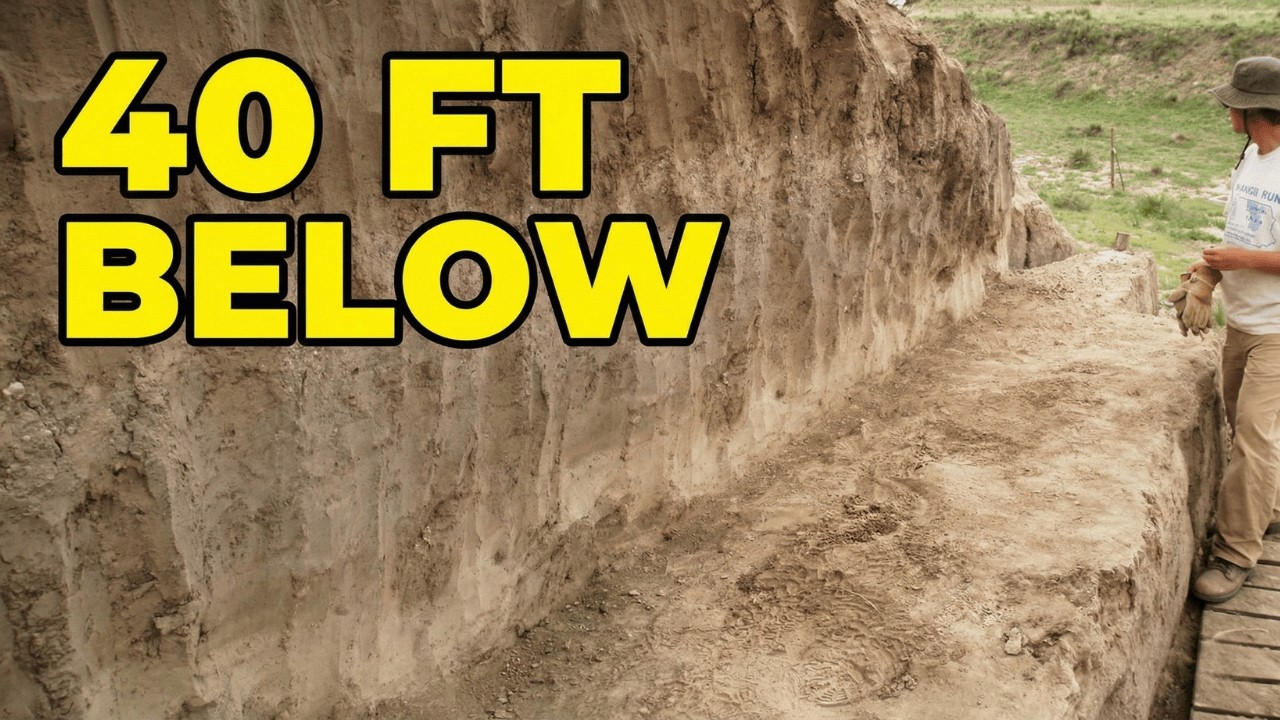
What They Found 40 Feet Below the Kansas Plains
Deep beneath the Kansas High Plains, stratified Clovis and Folsom deposits were preserved within buried paleosols. A forensic look at how Ice Age sedimentation hid early occupation surfaces from view.
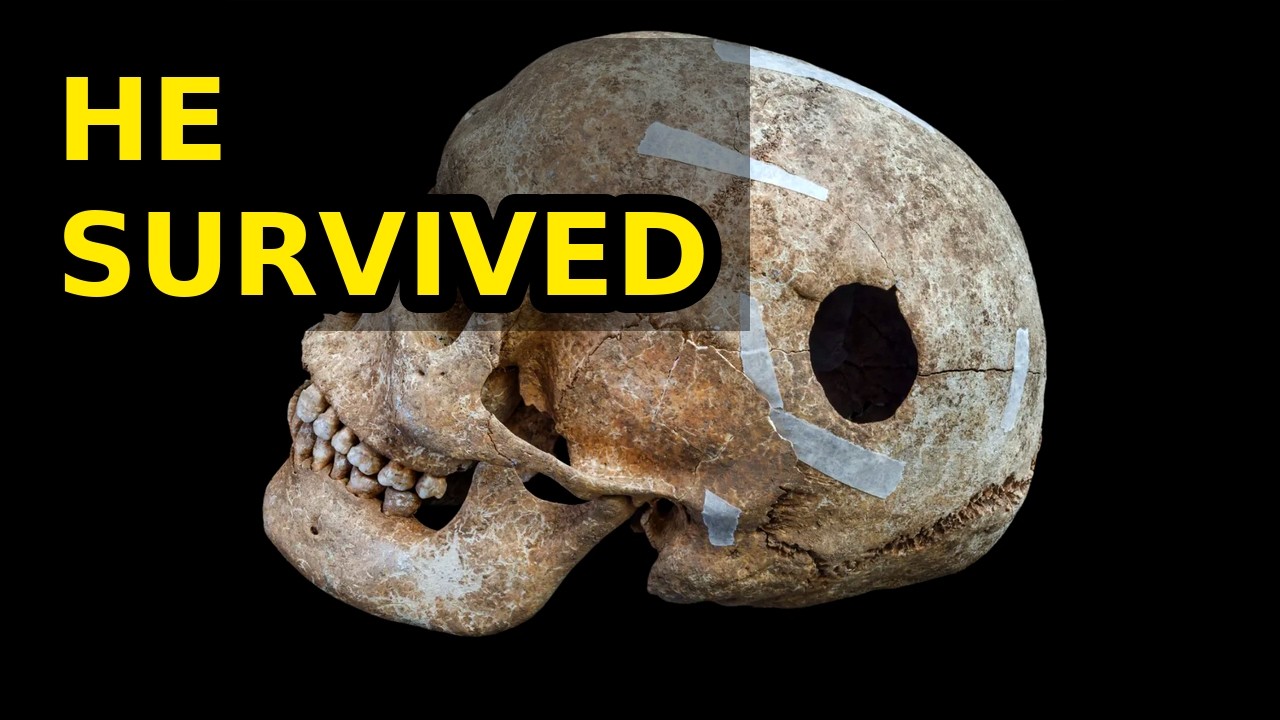
1,000-Year-Old Skull Shows Evidence of Viking Brain Surgery
A healed 3 cm cranial opening discovered in a late 9th-century mass grave in Cambridge shows measurable bone remodeling—evidence that Viking Age trepanation was deliberate and medically effective.
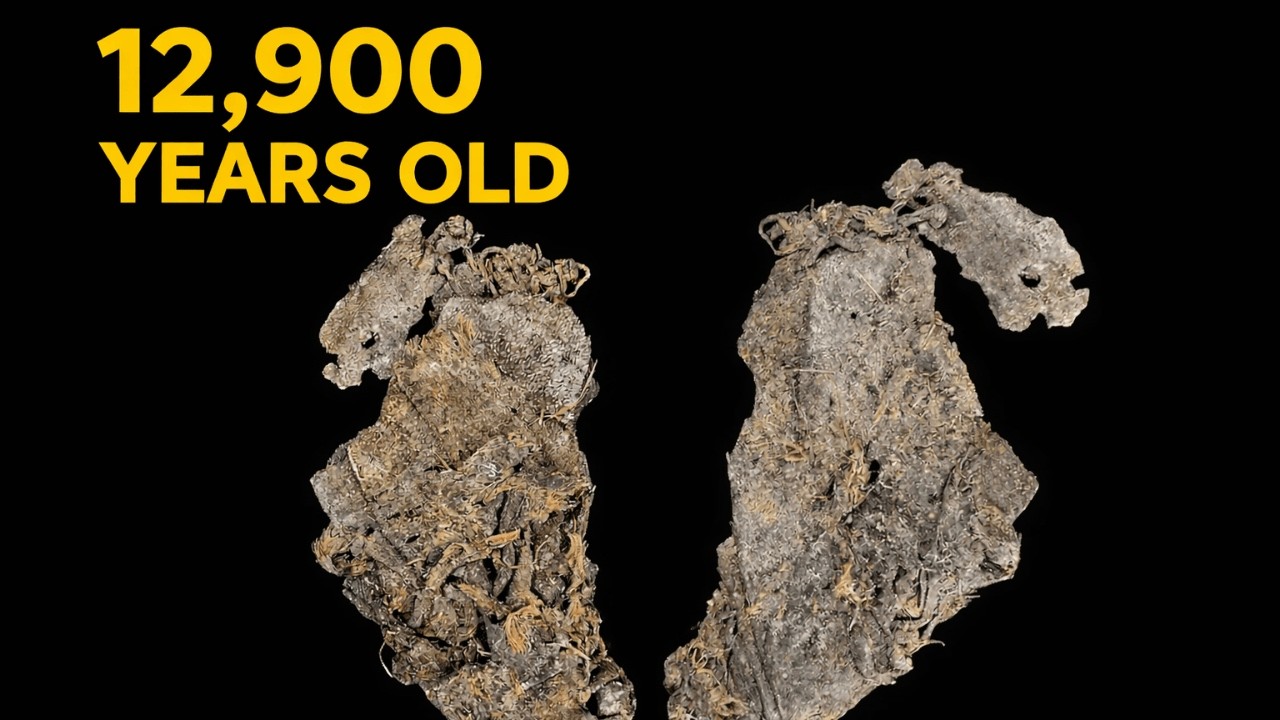
Ice Age Hide Shows Evidence of Stitching
A 12,900-year-old hide fragment found in an Oregon cave shows clear evidence of stitching—challenging what we know about Ice Age technology in North America.
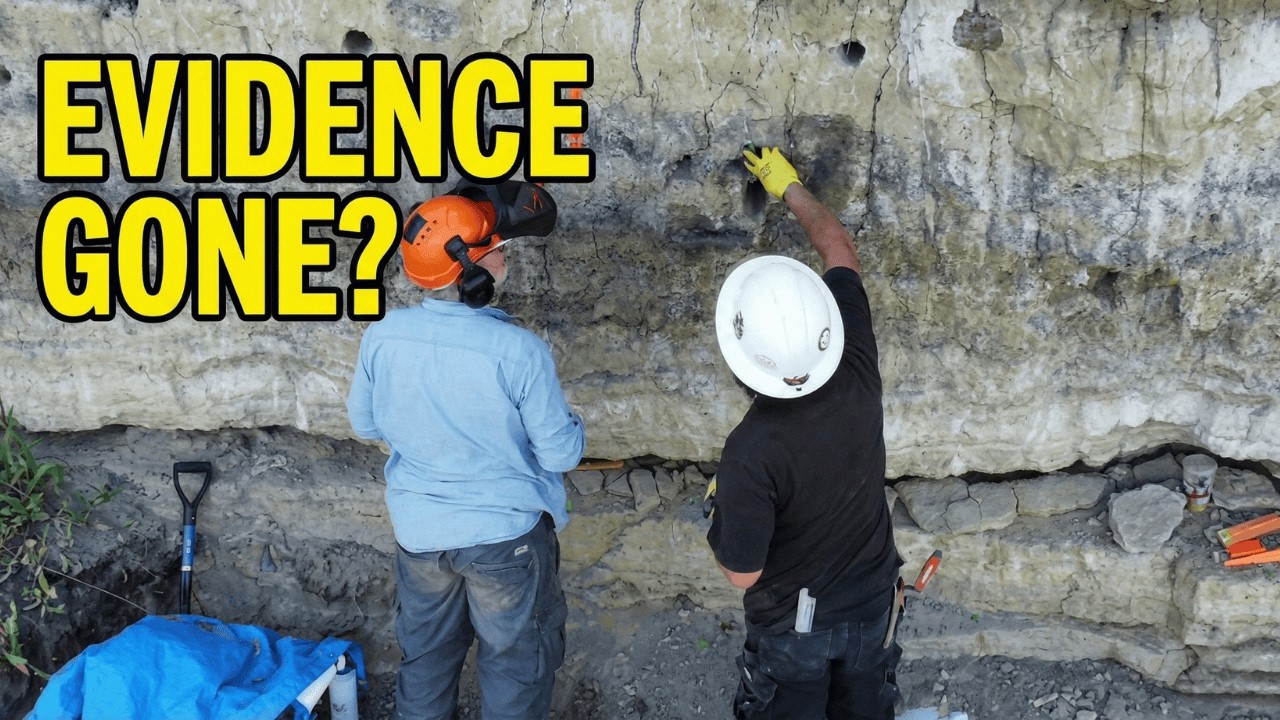
Why Humans Avoided Manitoba for Thousands of Years
The archaeological record in Manitoba is strangely silent until ~11,000 years ago. A forensic look at how Glacial Lake Agassiz created a massive preservation bias.
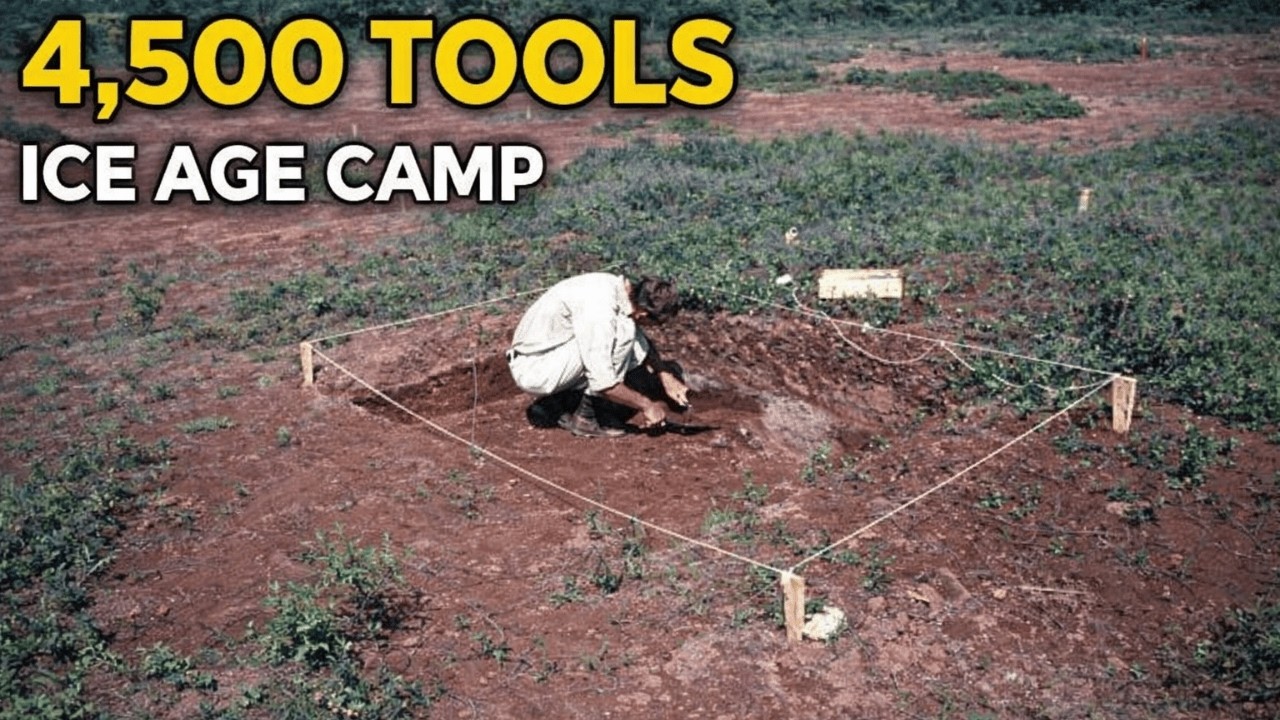
4,500 Ice Age Tools — Spread Across an Ancient Camp (Nova Scotia)
A forensic look at the Debert Palaeo-Indian complex: 11 activity areas across ~22 acres and 4,500+ stone artifacts—plus what the evidence does (and does not) support about “red ochre cache” claims.

Why Every 2,300-Year-Old Dogū Was Broken
Why were thousands of these 2,300-year-old clay figures intentionally shattered? A forensic look at the Shakōki-dogū and the ritual mystery of the Jōmon.
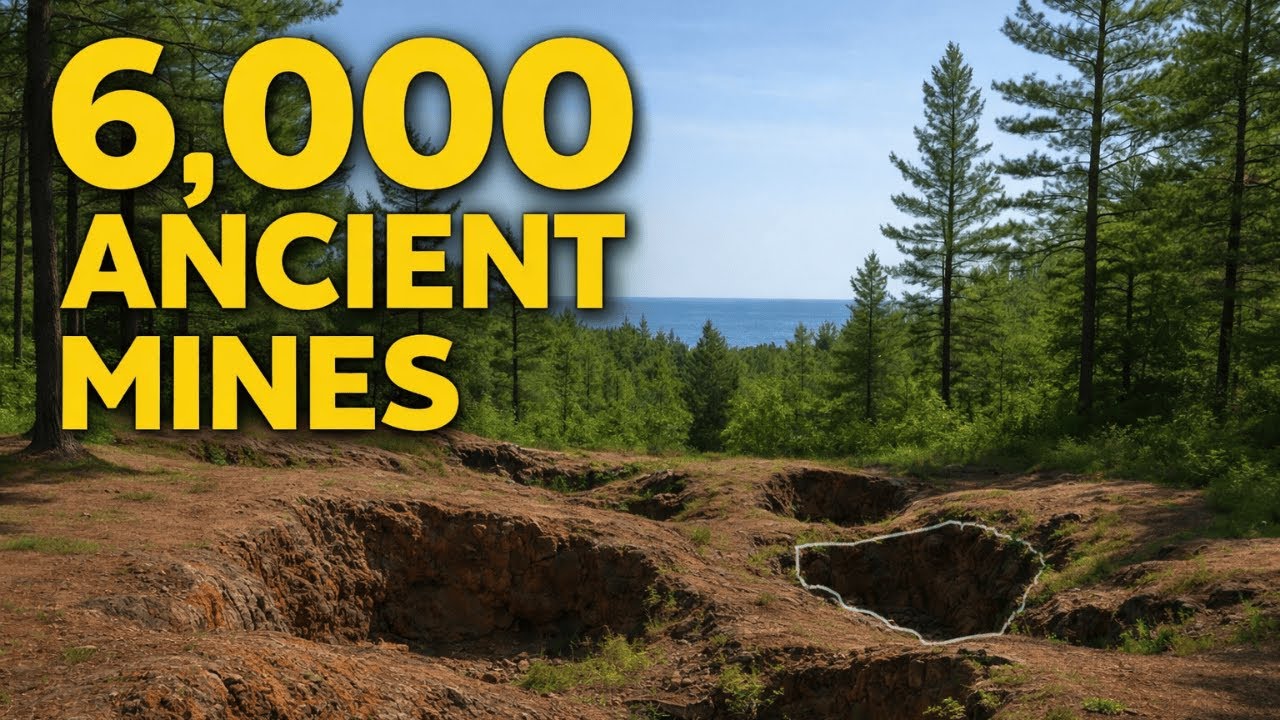
6,000 Ancient Mines Around Lake Superior
How did a prehistoric society extract massive amounts of copper using only stone and fire? A forensic look at over 6,000 mining pits around Lake Superior.
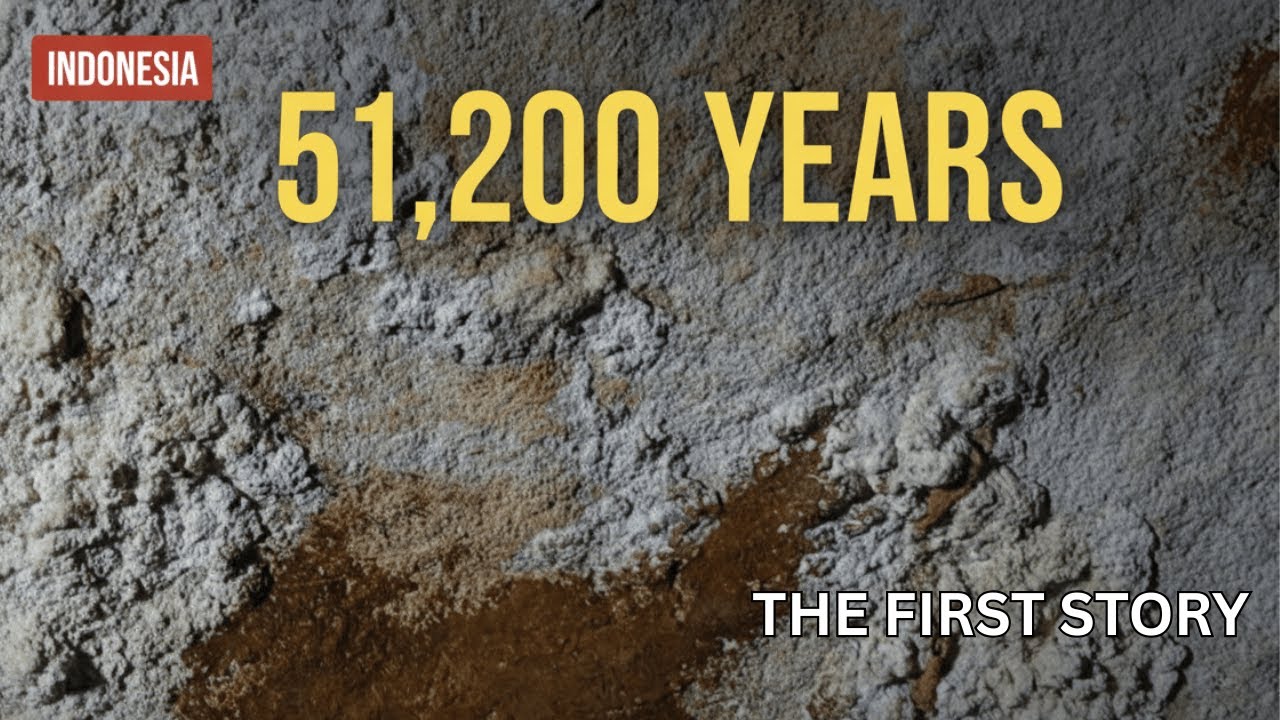
51,200-Year-Old Cave Painting Challenges Narrative
A 51,200-year-old cave painting in Indonesia is now the oldest known narrative art. A forensic look at how laser dating is rewriting human history.
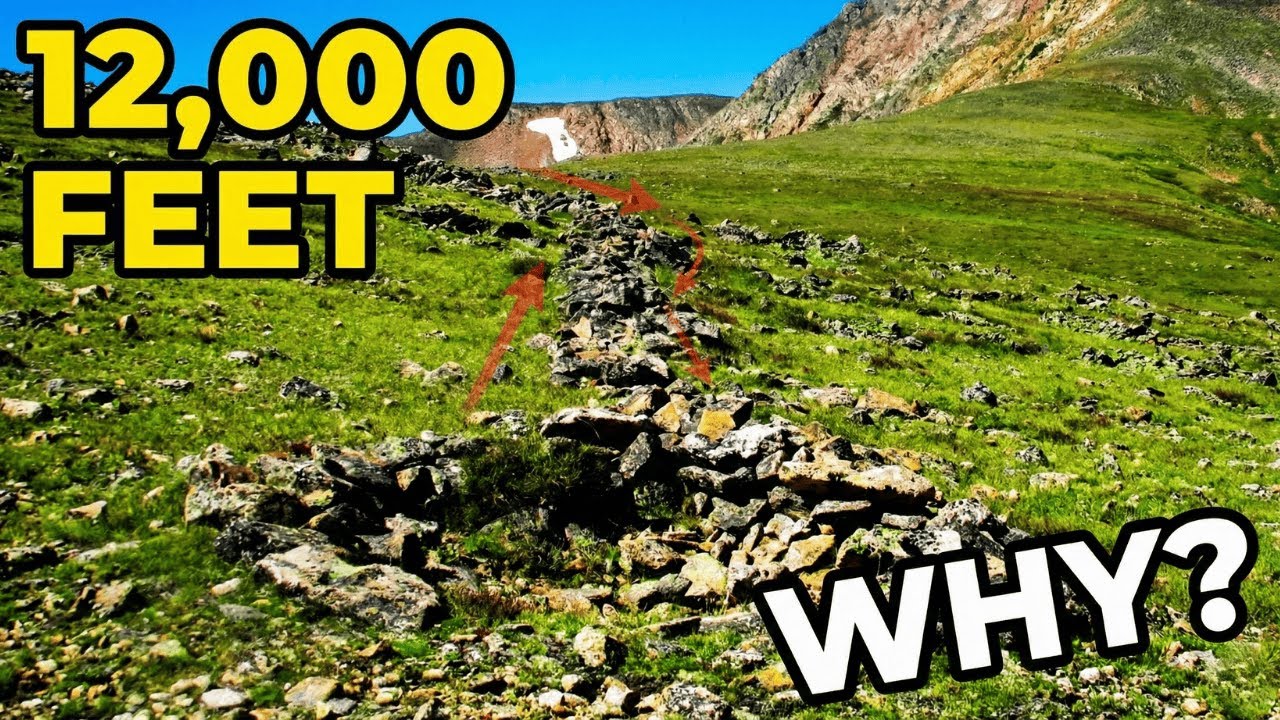
Stone Walls at 12,000 Feet
High in the Colorado Rockies, thousands of prehistoric stone walls form complex hunting systems. A look at the 5,800-year-old engineering of Rollins Pass.
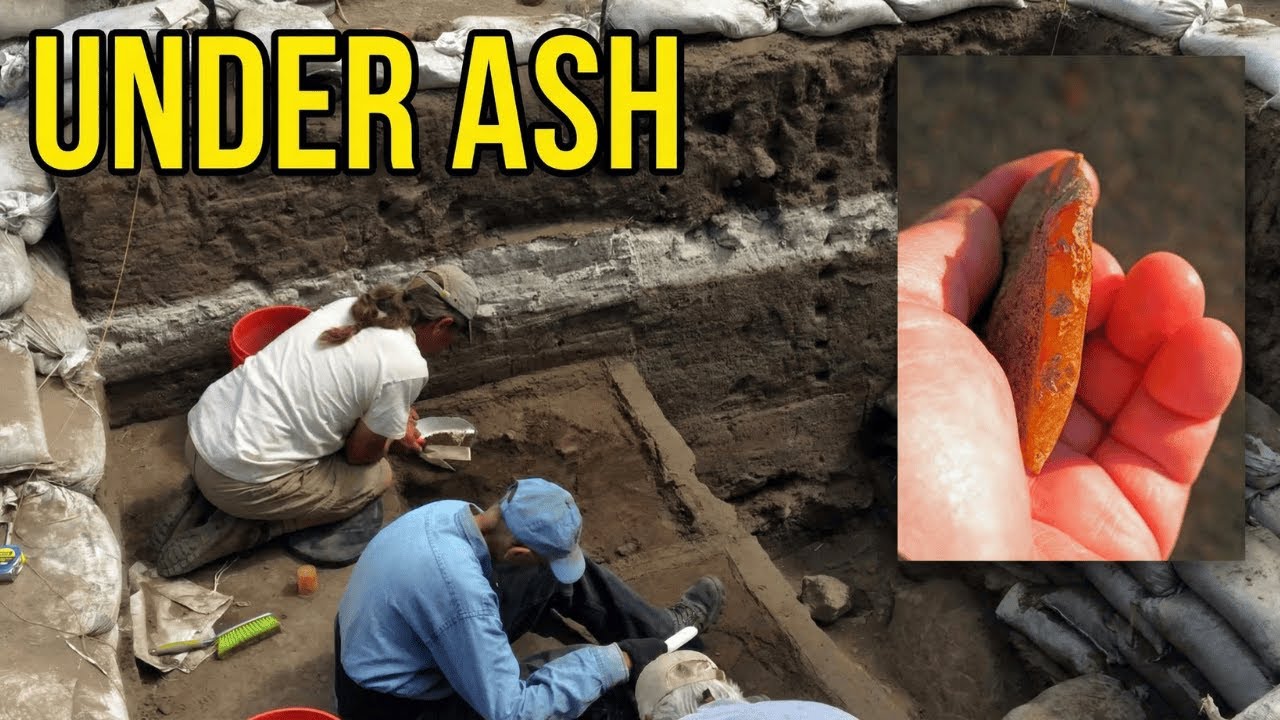
The Rimrock Draw Anomaly: Evidence Beneath 15,000-Year-Old Ash
An investigation into Rimrock Draw Rockshelter in Oregon, where an orange agate scraper was recovered beneath volcanic ash.

Mapped in the 1800s — Still Ignored
How a massive geometric complex covering four square miles was mistaken for nature despite 19th-century surveys.
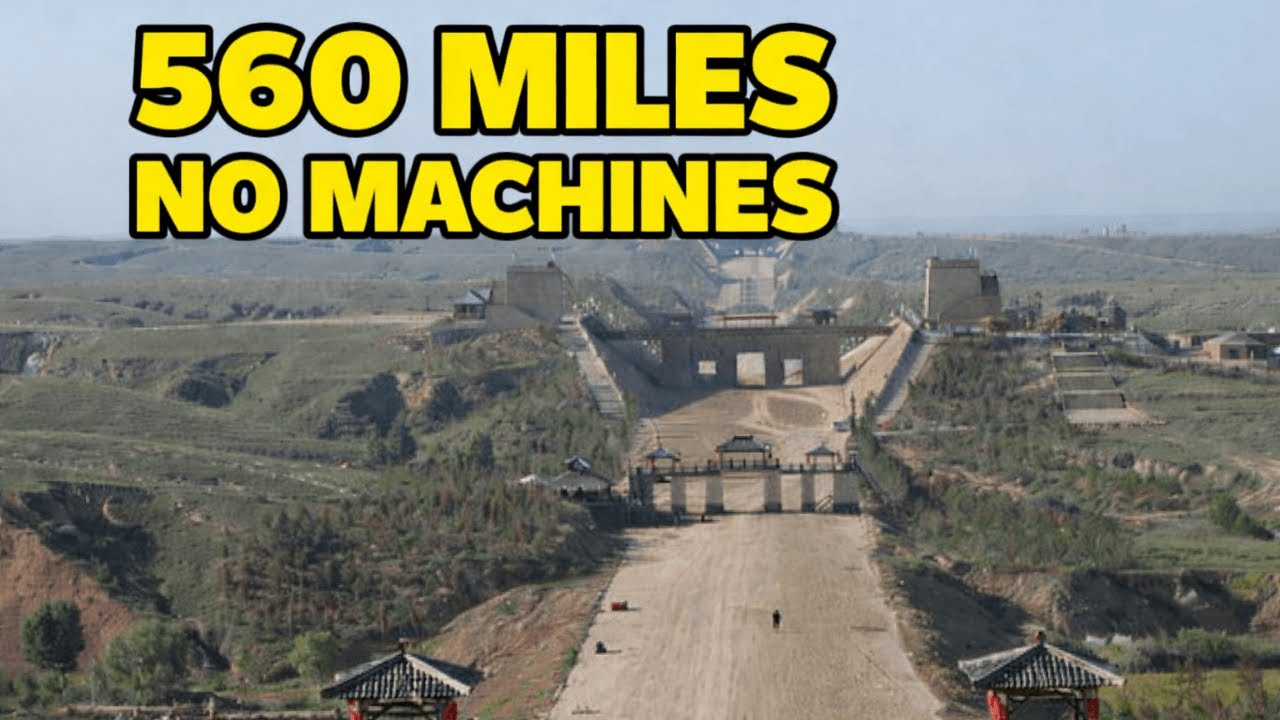
How Did China Build a 560 Mile Road 2,200 Years Ago?
A 560-mile road built over rugged terrain without modern machinery.

9,000-Year-Old City Found Buried — Why Are There No Doors?
A Neolithic settlement buried beneath centuries of sediment.
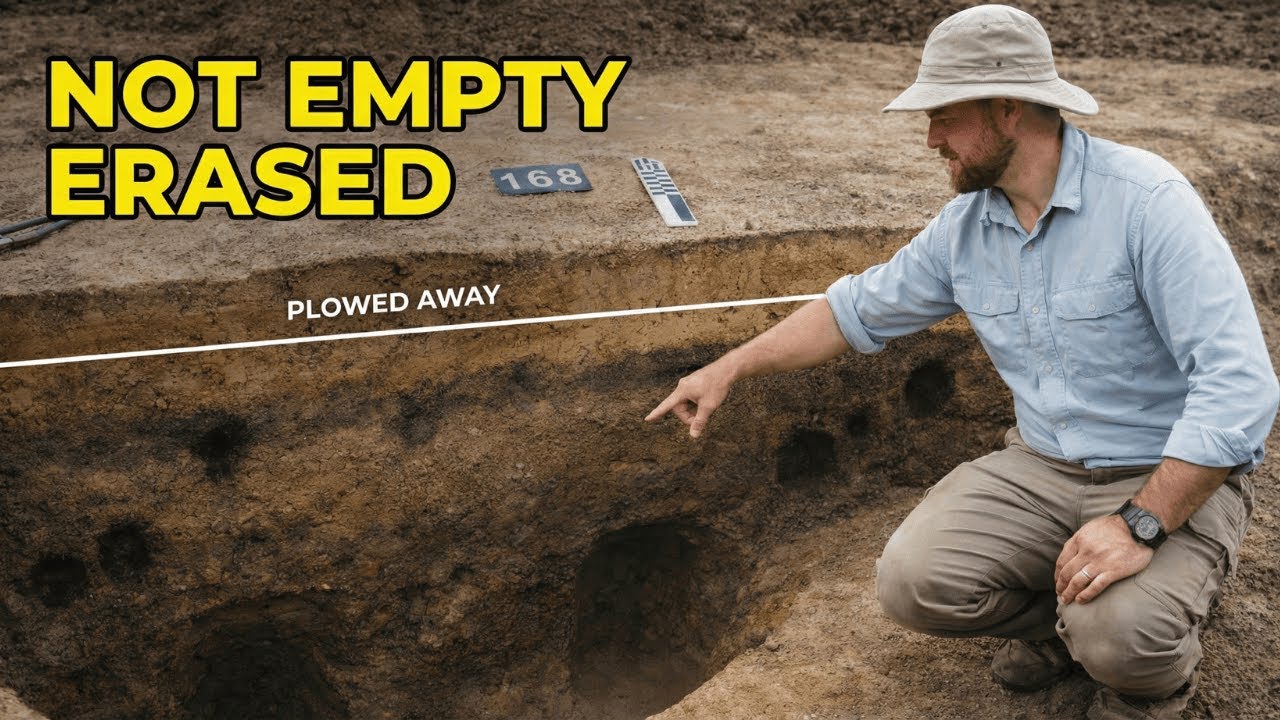
These Ancient Sites Aren’t Empty — They Were Erased
Many archaeological sites were later stripped by farming and erosion.
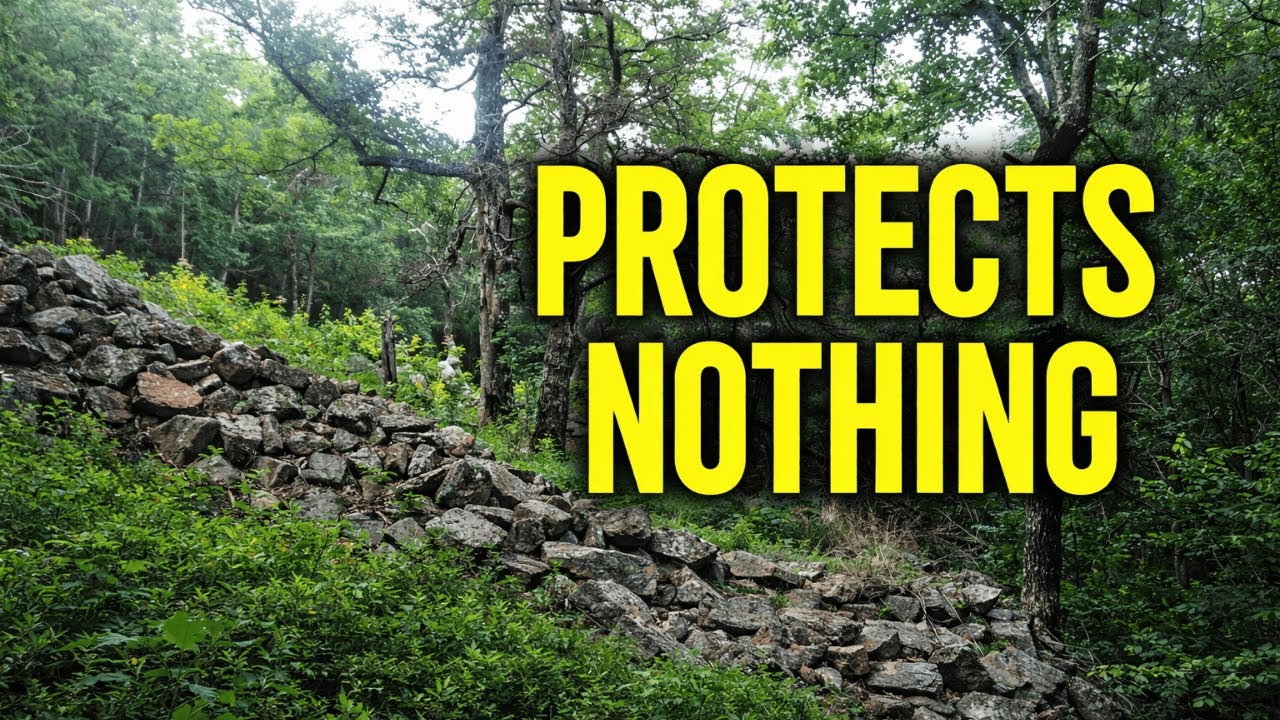
The 855 Foot Wall in Georgia That Protects Nothing
An 855-foot dry-stone wall runs across a mountain ridge in northern Georgia.
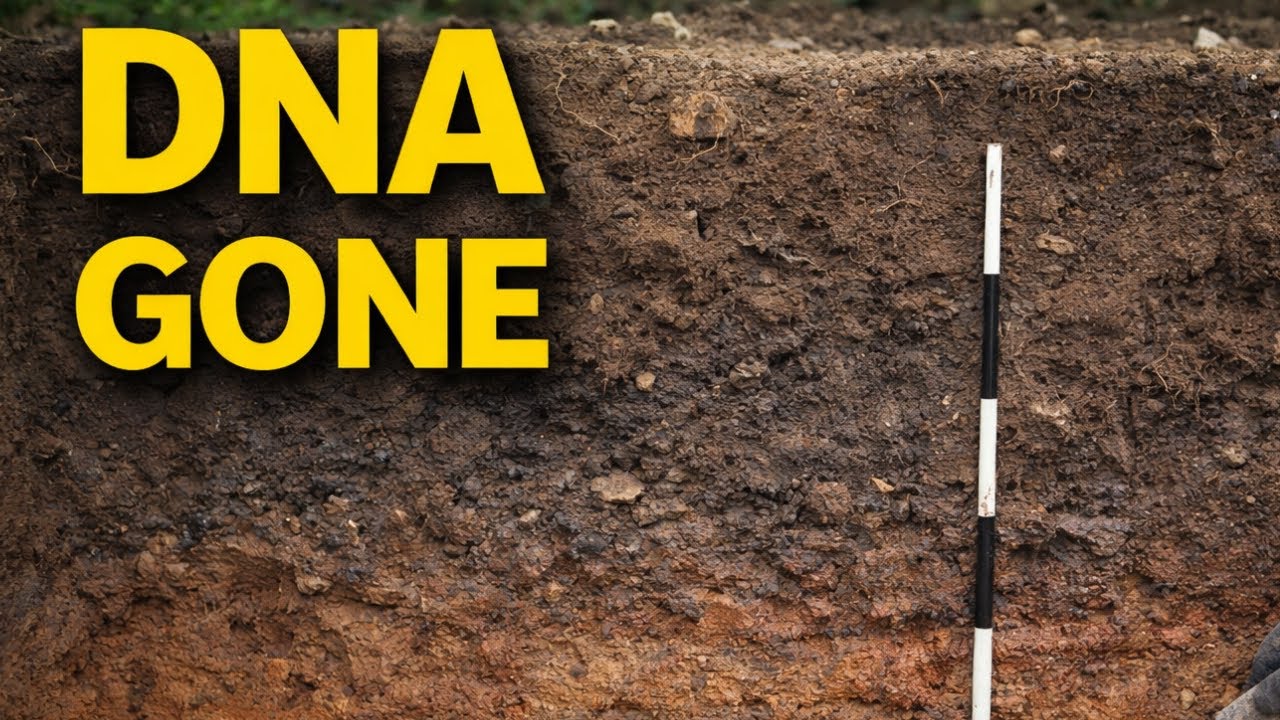
Ice Age Humans Lived Here — No Trace Was Left
Claimed Ice Age occupation where stratigraphy suggests human presence.
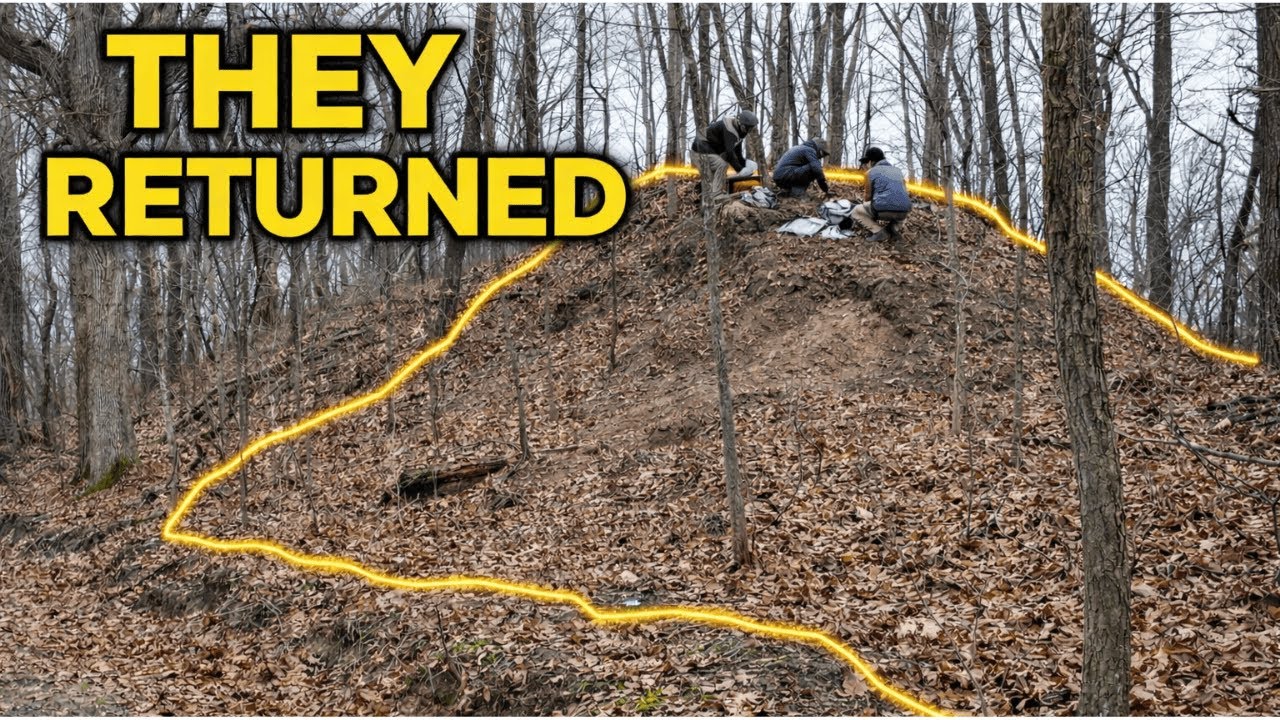
Why These Mounds Were Rebuilt Again and Again
Some mounds weren’t built once—they were rebuilt in stages.
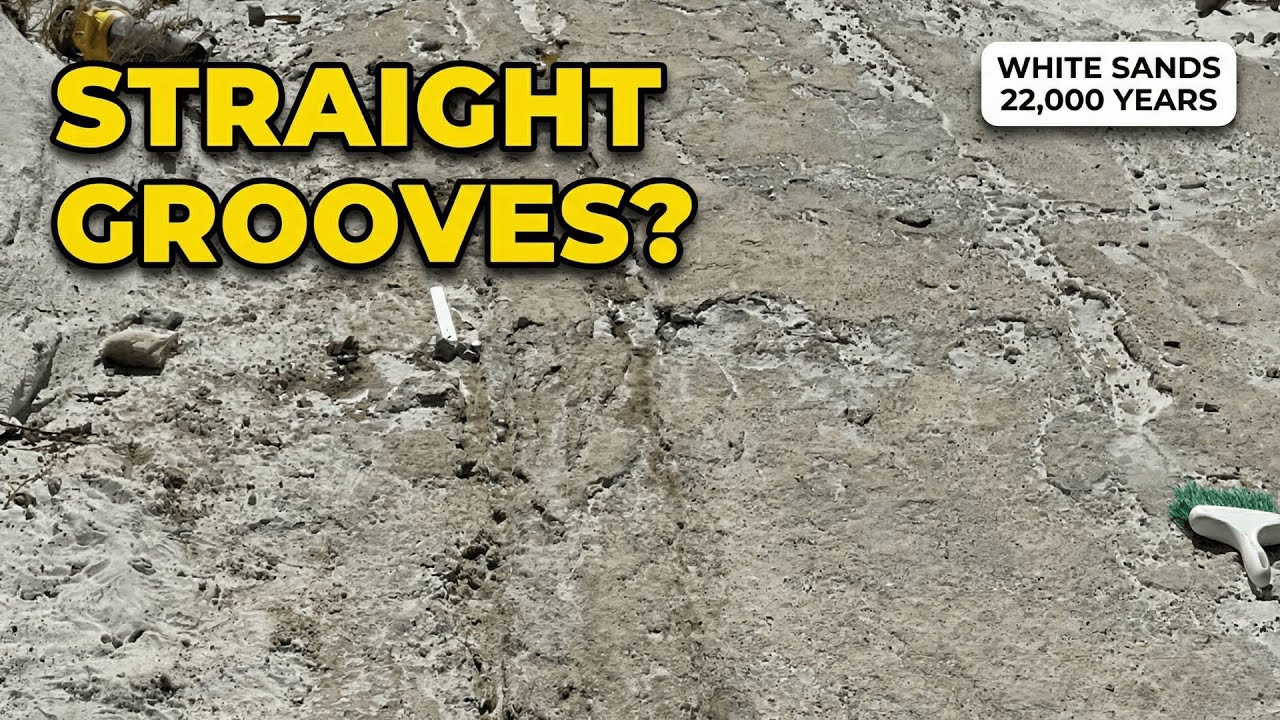
Why Are These 22,000-Year-Old Grooves Perfectly Straight?
Perfectly straight grooves raise a question: natural process or human work?
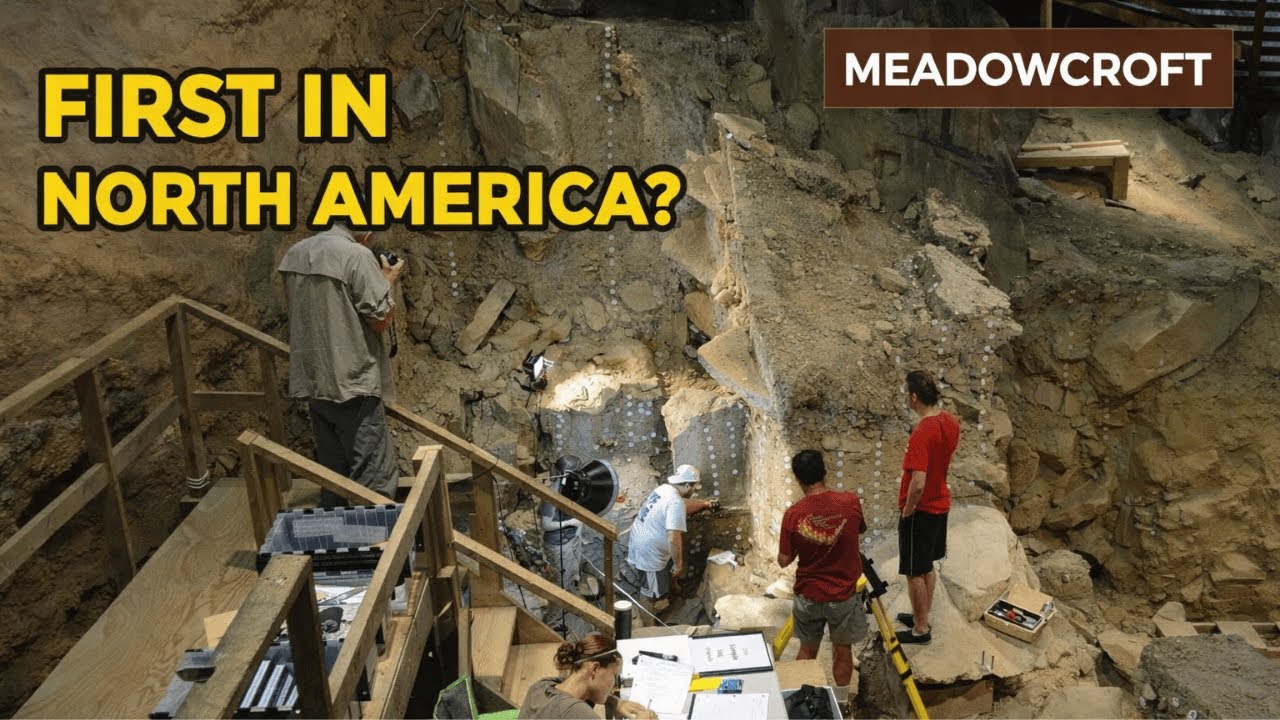
Evidence Older Than Clovis Found in Pennsylvania
Evidence at Meadowcroft Rockshelter points to human activity dating to ~16,000 years ago.
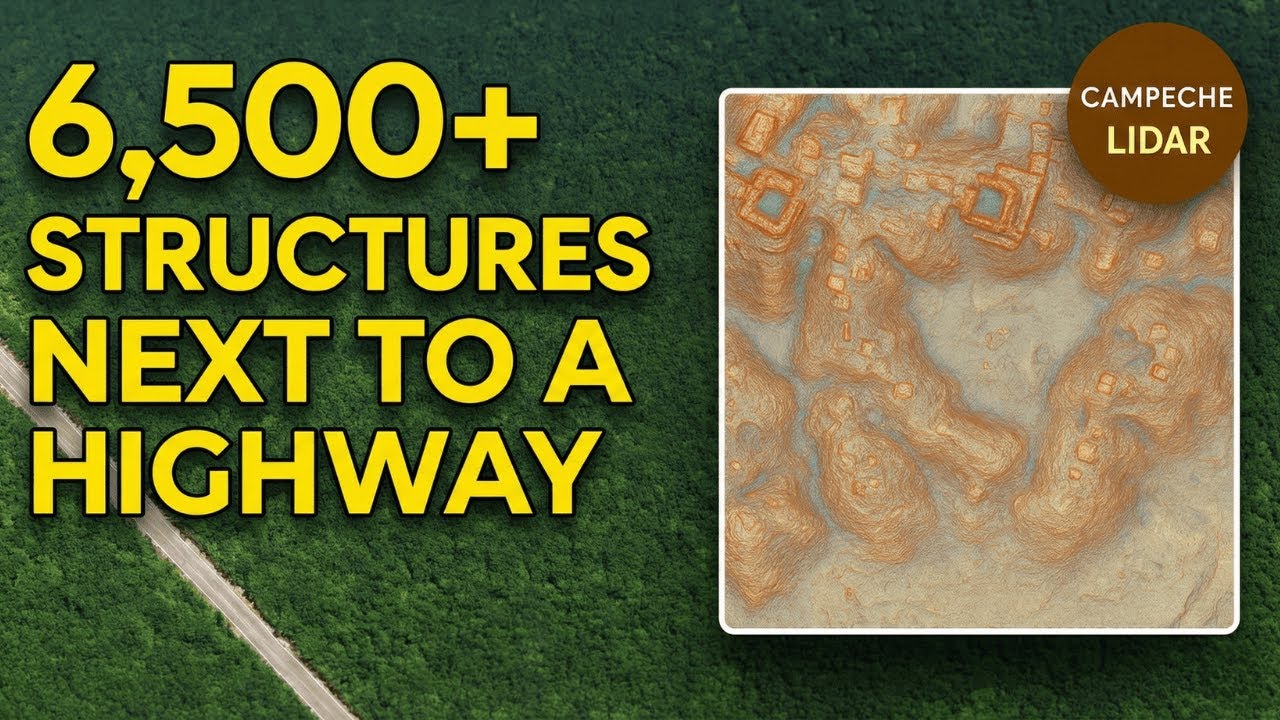
6,500 Maya Structures Found Beside an Active Highway
LiDAR revealed thousands of structures beside an active highway in Mexico.